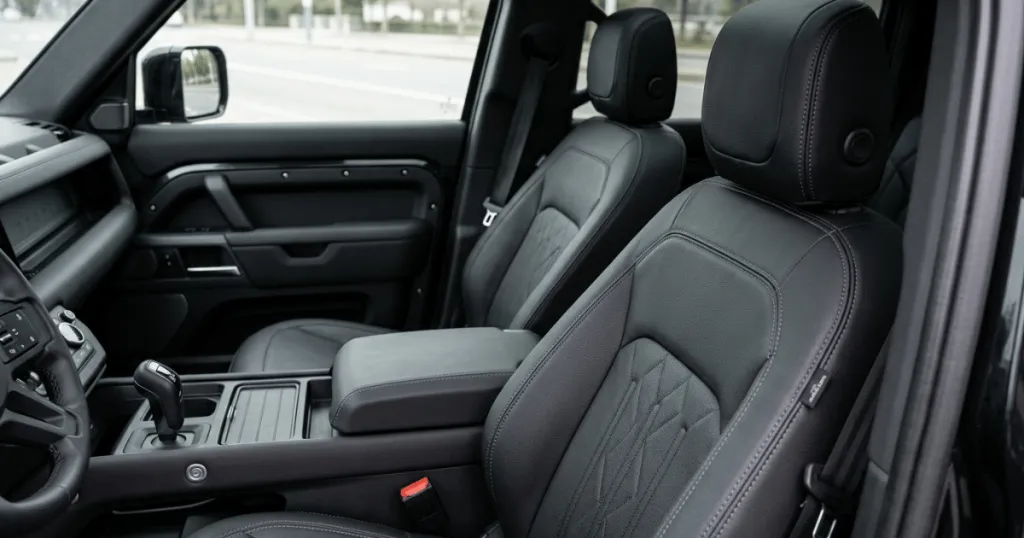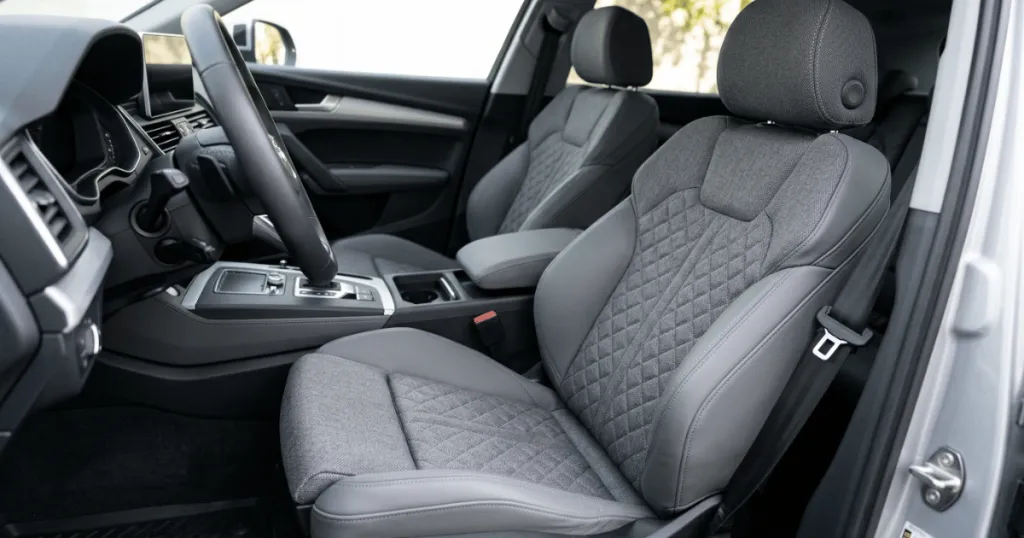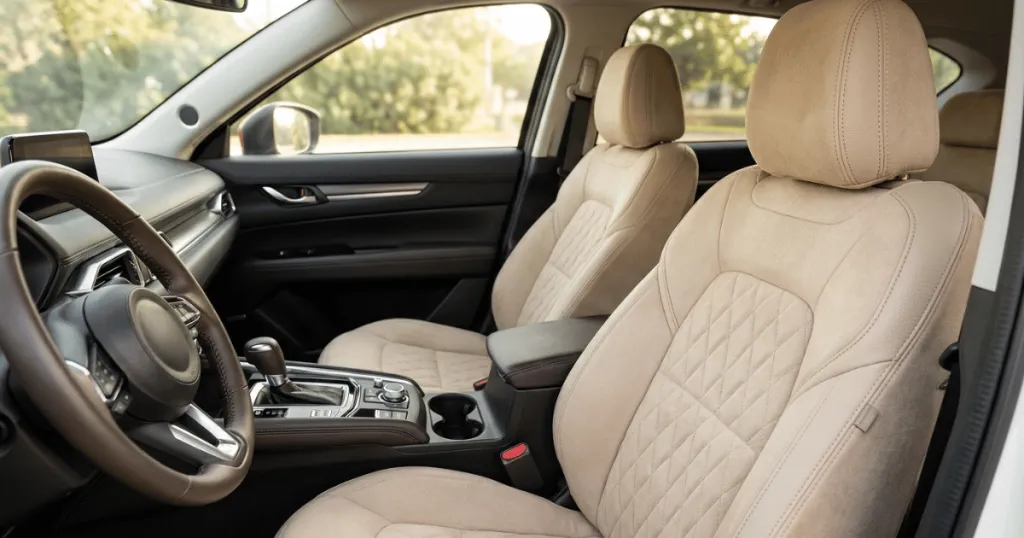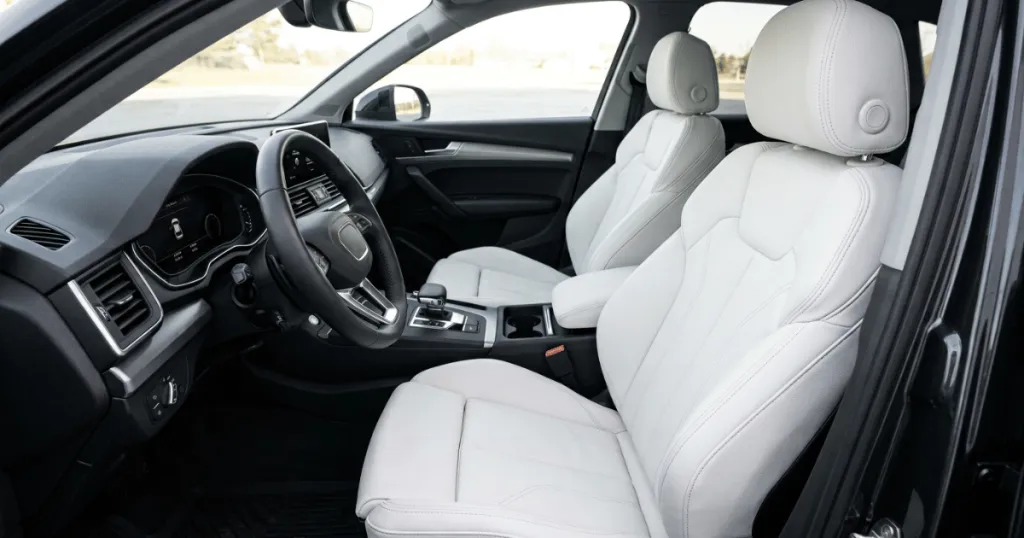
Selecting a brown car seat cover is a deliberate design decision that often balances the desire for a classic, upscale interior look with the practical need to hide everyday dirt and wear. Unlike lighter shades that show stains immediately or stark black covers that can absorb significant heat in direct sunlight, brown offers a middle ground. It provides a warm, organic tone that complements many factory interior plastics and dashboard materials while maintaining a clean appearance over long periods of use.
When you integrate a brown car seat cover into your vehicle, you are essentially choosing a color profile that bridges the gap between traditional luxury and rugged utility. Whether you are aiming for a refined leather-like finish or a durable, textured fabric, the shade of brown you select can drastically alter the cabin’s atmosphere. This guide explores how to evaluate these covers based on material performance, interior compatibility, and long-term maintenance requirements to ensure your choice remains functional and visually appealing.
Evaluating Materials and Their Performance
The material of your seat cover dictates how the color brown is perceived and how well it holds up to daily activity. Different textures interact with light differently, which can make the same shade of brown look vastly different depending on the material composition.
Synthetic Leather and Faux Leather
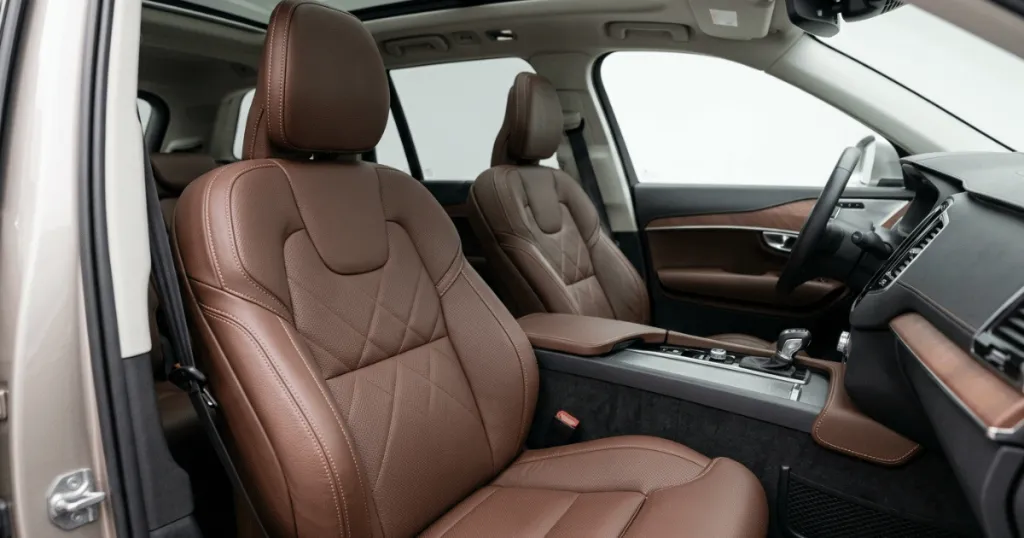
Faux leather or PU (polyurethane) covers are popular for their ability to mimic the look of premium upholstery. In a brown finish, these materials often feature a smooth or lightly grained texture that reflects light, giving the seat a polished, high-end appearance. These materials are generally resistant to spills and can be wiped down easily, making them a practical choice for families or those who frequently transport pets. However, they can become quite warm in direct sun, so consider the ventilation of your specific seat design.
Neoprene and Fabric Blends
Neoprene and heavy-duty fabric covers offer a more matte, muted brown appearance. These materials are favored for their durability and soft-touch comfort, often feeling less slippery than synthetic leather. A matte brown fabric cover is excellent for hiding dust and minor debris, as the texture tends to trap particles rather than letting them sit on the surface. These are typically the go-to choice for outdoor enthusiasts or those who use their vehicles for work, as the material is designed to withstand higher levels of friction and moisture.
Real-World Context for Interior Integration
Integrating a brown car seat cover into an existing vehicle interior requires an eye for color harmony. Most vehicle interiors rely on a mix of black, grey, and tan plastics, and finding the right brown can be the difference between a cohesive look and a mismatched cabin.
Matching Existing Dashboard and Trim
If your vehicle has dark grey or black trim, a deep, espresso-toned brown cover often creates a sophisticated, high-contrast look. Conversely, if your interior features lighter beige or tan plastics, a lighter, caramel-colored brown cover will feel more natural and integrated. A common mistake is attempting to match the exact shade of the seat cover to a specific plastic panel; instead, aim for a complementary tone that exists within the same color family to avoid a jarring visual clash.
Accounting for Lighting and Texture
Vehicle interiors are confined spaces with varying light levels. A brown that looks perfect in a bright, outdoor setting may appear significantly darker or even muddy inside a dimly lit car cabin. When evaluating options, consider how the material’s sheen affects the color. A glossy faux leather will shift its tone as light hits it, while a textured canvas or neoprene will remain consistent. If you prefer a consistent look, prioritize matte finishes that do not rely on surface reflection to maintain their color integrity.
Daily Use and Long-Term Maintenance
The decision to install a brown car seat cover should also account for how the color interacts with your specific lifestyle. While brown is generally more forgiving than white or light grey, it is not immune to fading or discoloration over time.
Managing UV Exposure and Fading
One of the primary challenges for any seat cover is prolonged exposure to ultraviolet rays. Brown pigments, particularly in lower-quality synthetic materials, can sometimes shift toward a reddish or yellowish hue after years of intense sun exposure. To mitigate this, look for materials treated with UV-resistant coatings. Parking in shaded areas or using window sunshades can also significantly extend the life and color vibrancy of your covers, preventing the uneven fading that often occurs on the tops of headrests and seat backs.
Routine Cleaning and Upkeep
Preserving the aesthetic quality of your covers is a manageable task when you adhere to a regular cleaning routine. For synthetic leather, a simple wipe-down with a damp, lint-free cloth is usually sufficient to remove surface dust. For fabric or neoprene, vacuuming the crevices regularly prevents dirt from becoming embedded in the fibers. Avoid harsh chemical cleaners, as these can strip the color or damage the protective finish of the material. A gentle, pH-neutral cleaner is generally the safest approach for keeping your brown car seat cover looking fresh for years.
Why Color Choice Impacts Your Cabin Experience
The color of your seating is one of the most significant visual anchors in a vehicle. By choosing a brown car seat cover, you are opting for a color that inherently feels more grounded and less clinical than standard black or grey. This choice matters because it changes the perceived temperature and comfort of the cabin. Brown, being a warm, earth-toned color, can make a vehicle interior feel more inviting and less like a sterile utility space. This is particularly beneficial for long commutes or road trips, where the color palette of your surroundings can subtly influence your mood. Furthermore, brown is a versatile neutral that ages gracefully.
While vibrant colors might look dated after a few years, a well-chosen brown remains timeless. By focusing on the quality of the material and ensuring the shade complements your existing interior, you can enhance both the comfort and the aesthetic value of your vehicle without needing a full upholstery replacement.
Addressing Common Assumptions About Color Durability
A common misconception is that darker brown covers are inherently more durable than lighter shades. In reality, the durability of a seat cover is determined by the material’s weave, thickness, and protective coatings, not its color. A high-quality light brown cover will often outlast a low-quality dark brown cover in terms of both structural integrity and color retention.
Another myth is that brown covers are difficult to clean because stains are harder to see. While it is true that some stains may blend in, this is actually a benefit for daily maintenance, as it prevents the interior from looking unkempt between deep cleanings. The key is to prioritize material performance and fit, using the color as a secondary design choice rather than the sole indicator of quality.
Strategic Considerations for Seat Configuration
When selecting a brown car seat cover, you must also consider the physical configuration of your seats. Whether you have bucket seats, a split-bench, or captain’s chairs, the way a cover drapes over these shapes can influence how the brown color is perceived. On complex, contoured bucket seats, a solid brown cover might appear to have highlights and shadows due to the way the material stretches over the bolsters. This can actually add depth to the color, making it look more like premium, multi-tonal leather.
Conversely, on flat bench seats, a uniform brown can look quite expansive. If you find a large, solid-colored surface to be too overwhelming, consider looking for covers that incorporate subtle piping or stitching in a contrasting thread color, which can break up the visual mass of the brown fabric.
Climate and Thermal Comfort Factors
The thermal properties of your chosen material are just as important as the aesthetic appeal. Brown is a mid-tone color, which means it sits in the middle of the thermal absorption spectrum. While it will not get as scorching hot as a black cover in the summer, it will still absorb more heat than a light tan or grey cover. If you live in a region with high year-round temperatures, prioritize breathable materials like perforated faux leather or open-weave fabric.
These designs allow for better airflow, which helps regulate the temperature of the seat surface. In colder climates, the warmth of a brown, fabric-based cover can actually be an advantage, as it feels less jarringly cold to the touch than vinyl or leather when you first enter the vehicle on a winter morning.
The Role of Texture in Visual Longevity
Texture is a critical, often overlooked component of selecting a brown car seat cover. A smooth, glossy material will show every scratch and scuff, which can be particularly noticeable on brown surfaces where the underlying material might be a different color. A textured or embossed material, such as a faux leather with a pebble grain or a fabric with a visible weave, is much more forgiving. These textures help diffuse light, making minor surface imperfections less visible.
Furthermore, a textured surface provides a better grip, which can improve your physical comfort during long drives by preventing you from sliding around on the seat. When shopping, prioritize materials that offer a balance between a refined look and a tactile, durable finish that can withstand the rigors of daily entry and exit.
FAQ
Will a brown car seat cover match a black vehicle interior?
Yes, a deep espresso or dark brown car seat cover can create a sophisticated, high-contrast look against a black interior, provided the tones are balanced.
Do brown seat covers get as hot as black ones in the sun?
Generally, darker brown covers will absorb more heat than light-colored ones, but they typically remain cooler than pure black covers due to the lighter pigment profile.
How do I prevent my brown seat covers from fading?
To prevent fading, look for materials with UV-resistant treatments and use window sunshades when the vehicle is parked in direct sunlight for extended periods.