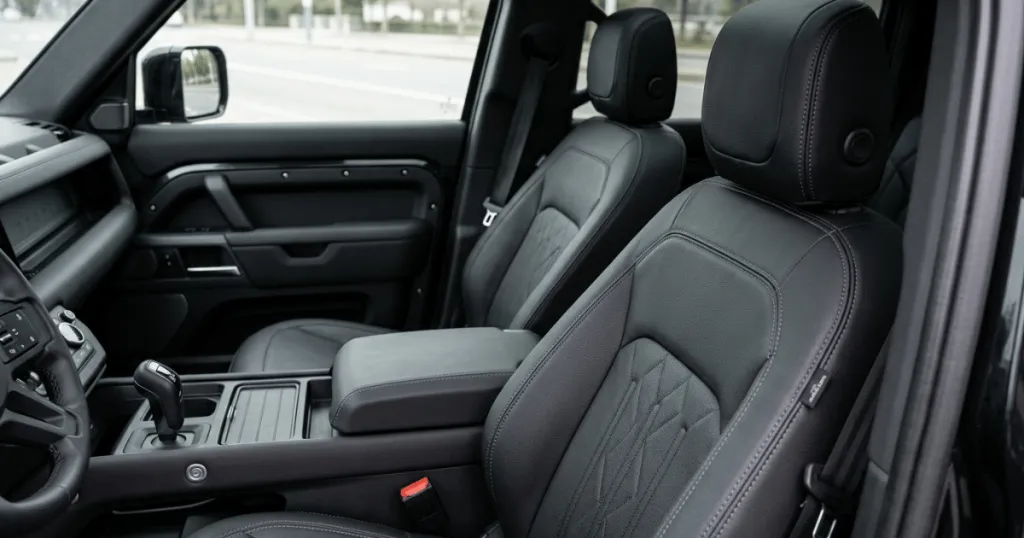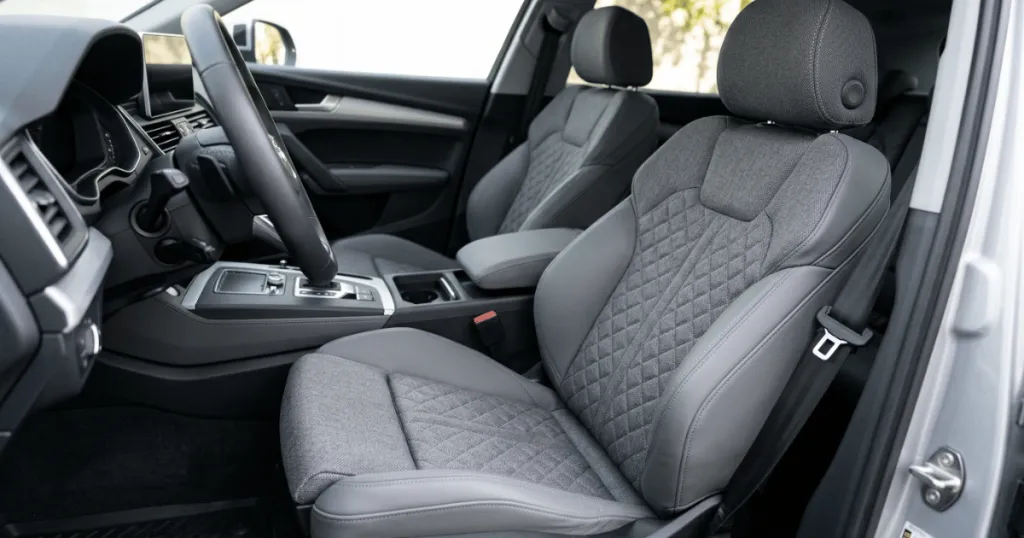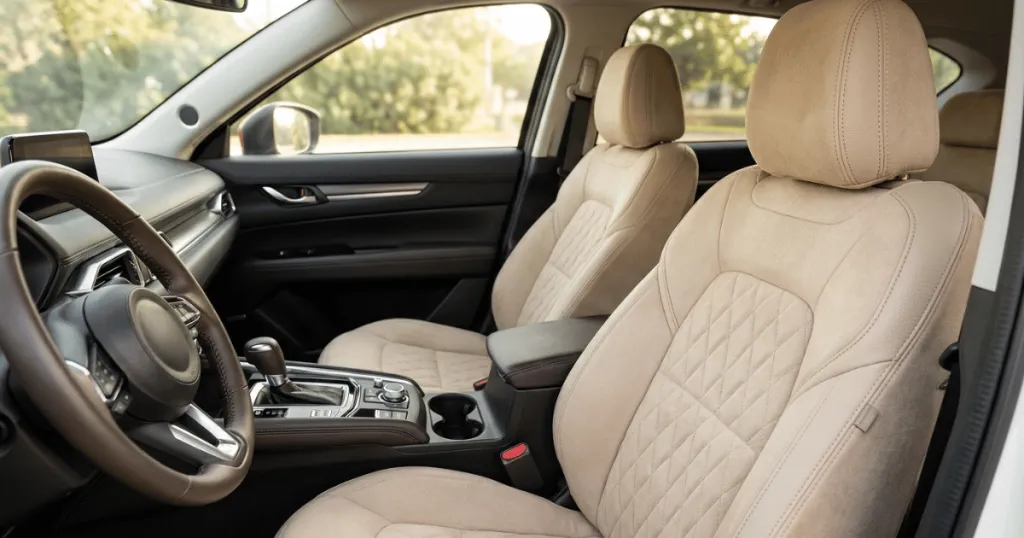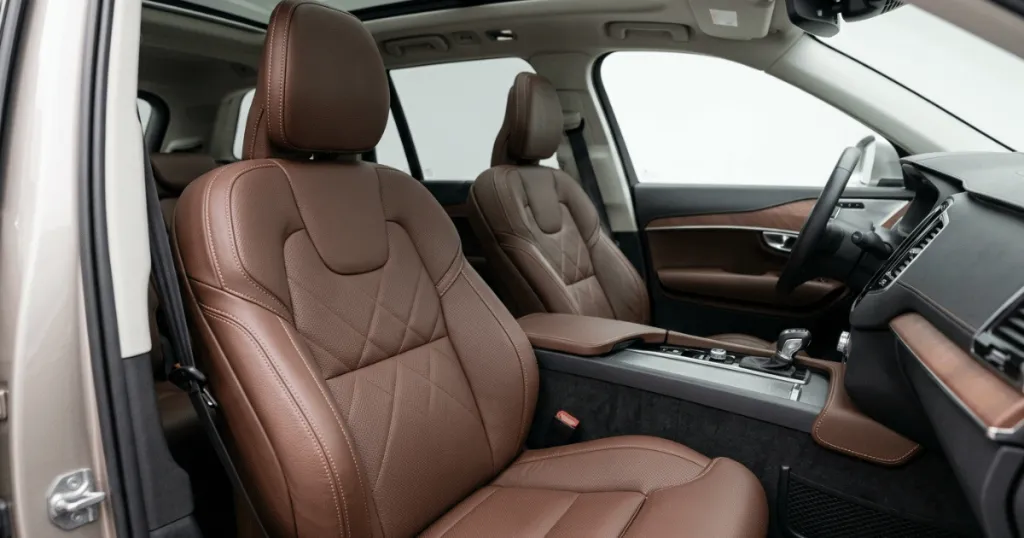
Selecting a multi color car seat cover transforms the look of a vehicle cabin from a standard factory finish to a personalized space. Unlike monochrome options that blend into the existing upholstery, these covers introduce contrast, patterns, and visual depth that can either complement or completely redefine the interior color palette. When you decide to move away from traditional solid tones, you gain the ability to tie together various interior elements, such as the dashboard trim, floor mats, or even the exterior paint color.
Integrating a multi color car seat cover requires a thoughtful approach to color theory and material selection. Because these covers feature multiple hues, they naturally draw the eye, making the quality of the fit and the texture of the fabric more noticeable. Whether you are aiming for a subtle two-tone aesthetic or a bold, high-contrast design, the impact on your daily driving experience depends on how well the chosen pattern balances with the existing cabin architecture.
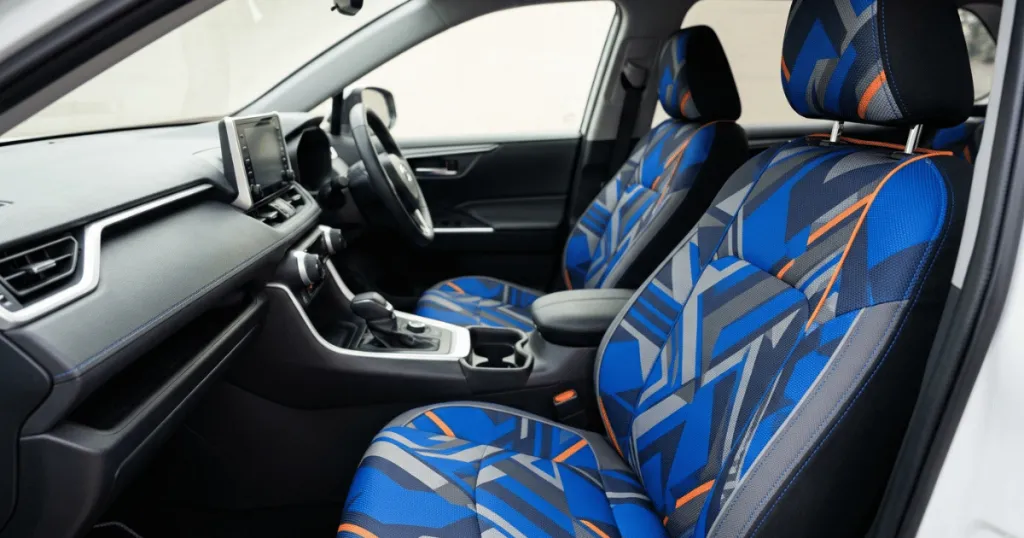
Design Factors and Aesthetic Considerations
The primary appeal of a multi color car seat cover lies in its ability to break up the monotony of a single-tone interior. However, achieving a cohesive look requires balancing the intensity of the colors with the overall design of the vehicle. A common mistake is selecting a pattern that clashes with existing permanent fixtures, such as colored stitching on the steering wheel or factory-installed ambient lighting.
Color Harmony and Contrast
When selecting a multi color car seat cover, consider the primary color of your vehicle’s interior. If your cabin uses neutral tones like gray, black, or beige, you have a wider range of options. A high-contrast design, such as black and red or black and blue, creates a sporty, aggressive aesthetic. For a more sophisticated or luxury-oriented look, consider muted color combinations like charcoal and slate or tan and cream, which provide visual interest without overwhelming the senses.
Pattern and Texture Integration
Beyond color, the layout of the multi-toned sections plays a significant role in how the seat looks once installed. Some designs feature vertical panels that can make a seat appear narrower or more bucket-like, while others use horizontal blocking that emphasizes the width of the seat base. Texture also matters; a multi color car seat cover often combines different materials, such as a smooth faux leather center panel with textured fabric side bolsters. This variety not only adds visual complexity but can also improve grip and comfort during cornering.
Real-World Usage and Practical Scenarios
The utility of a multi color car seat cover extends beyond mere aesthetics. In many cases, these covers are designed to address specific usage scenarios where standard solid-color covers might show wear or stains too quickly. By incorporating darker colors in high-traffic areas, such as the outer bolsters or the seat base, these designs can effectively mask dirt and debris that accumulate from daily use.
Family and Pet-Friendly Environments
For families or pet owners, a multi color car seat cover can be a functional asset. Choosing a design that utilizes darker, durable materials in the areas where children kick their feet or pets rest their paws helps maintain a cleaner appearance over time. Meanwhile, the lighter or more decorative colors can be placed on the backrests or headrests, where they are less likely to come into direct contact with heavy grime. This strategic placement allows for a stylish interior that remains practical for demanding daily routines.
Commercial and Rideshare Applications
Drivers who use their vehicles for commercial purposes or rideshare services often find that a multi color car seat cover helps distinguish their vehicle from others. A professional-looking, two-tone design can elevate the passenger experience, making the interior feel more intentional and well-maintained. When selecting for these environments, prioritize materials that are easy to wipe down, as the multi-panel construction can sometimes create seams where dust collects. A design with fewer, high-quality seams is generally easier to keep clean in high-turnover scenarios.
The Impact of Visual Cohesion on Cabin Atmosphere
The interior of a vehicle is the space where the driver spends the most time, and the visual environment directly influences the feeling of the cabin. A multi color car seat cover acts as a focal point, effectively updating the look of older or worn-out factory seats without the high cost of professional reupholstery. When the colors are chosen to match or tastefully contrast with the existing trim, the entire cabin feels more cohesive and modern.
Furthermore, the psychological effect of a personalized interior should not be underestimated. Driving a vehicle that reflects your personal style can make long commutes more enjoyable. By choosing a multi color car seat cover that aligns with your preferences, you turn a utilitarian space into a more comfortable and inviting environment. It is a relatively simple modification that offers a high return on investment in terms of both visual satisfaction and the preservation of the underlying factory upholstery.
Addressing Common Misconceptions About Multi-Panel Covers
One frequent concern is that a multi color car seat cover is inherently less durable than a solid-color alternative because of the additional seams required to join different fabric sections. While it is true that more seams create more potential points of failure, modern manufacturing techniques have largely mitigated this. High-quality covers use reinforced stitching at these junctions to ensure that the structural integrity remains consistent across the entire cover.
Another misconception is that these covers are difficult to install or prone to shifting. The complexity of the installation depends more on the fitment type, universal versus custom-fit, than on the number of colors used. A well-designed, multi-panel cover will include the same tensioning systems, straps, and hooks as a solid-color version. As long as you follow the installation instructions and ensure the cover is properly anchored to the seat frame, the multi-colored design will remain secure and perform just as reliably as any other style.
Finally, some assume that a multi color car seat cover will fade unevenly if the materials are different. While different fabrics may react to UV exposure at slightly different rates, reputable manufacturers account for this by using color-fast materials designed for automotive environments. To keep your cover looking its best, consider using a sunshade when the vehicle is parked for long periods, which protects both the seat cover and the vehicle’s dashboard from excessive heat and UV damage.
Strategic Material Selection for Multi-Tone Designs
When you opt for a multi color car seat cover, you are often choosing a product that leverages material engineering to solve specific problems. For instance, a common configuration involves placing breathable mesh or perforated synthetic leather in the center seating area to improve airflow, while using heavy-duty vinyl or canvas on the outer bolsters.
This hybrid approach is not just for show; it addresses the reality that different parts of the seat experience different stresses. The center panel is prone to moisture buildup from the driver’s body, while the bolsters endure constant friction from entry and exit. By using a multi-material, multi-color design, you can optimize for both comfort and longevity.
Installation Nuances for Complex Patterns
Installing a multi color car seat cover requires a bit more attention to detail than a standard solid cover. Because the color blocking is designed to align with specific seat contours, even a slight misalignment can make the entire design look skewed. When installing, start by securing the center panels first to ensure the pattern is centered on the seat back and bottom. Once the primary alignment is locked in, work your way outward to the bolsters.
Using a trim tool to tuck the excess fabric into the seat crevices is essential for achieving that clean, factory-like finish. If the cover features contrasting piping or stitching, ensure these lines remain straight, as any twisting will be immediately visible against the multi-colored background.
Long-Term Maintenance of Multi-Color Surfaces
Maintaining a multi color car seat cover involves a slightly more nuanced cleaning routine. Because you are dealing with multiple colors, you must be careful with cleaning agents that might cause color bleeding. Always perform a spot test on an inconspicuous area of each color section before applying a cleaner to the entire seat.
For covers that combine fabric and faux leather, use a pH-neutral cleaner that is safe for both materials. Avoid harsh solvents that could strip the finish or cause the dyes in the fabric to migrate into the lighter-colored panels. Regular vacuuming is also critical; dirt trapped in the seams between color panels can act as an abrasive, eventually wearing down the stitching and the material itself.
FAQ
Do multi color car seat covers require special cleaning methods?
Generally, no. You should follow the care instructions specific to the materials used in the cover. If your multi color car seat cover combines different fabrics, such as neoprene and faux leather, use a mild cleaner suitable for both or spot-clean each section according to its material requirements.
Will a multi color car seat cover make my interior look cluttered?
It depends on the color palette. To avoid a cluttered look, choose a multi color car seat cover that uses a maximum of two or three complementary colors. Matching one of the colors to your vehicle’s existing dashboard or trim can help anchor the design and keep the interior looking intentional rather than chaotic.
Are these covers more prone to tearing at the seams?
High-quality multi color car seat covers are designed with reinforced stitching at the seams where different colors or materials meet. As long as you avoid over-stretching the cover during installation and ensure it is properly fitted to your seat dimensions, the seams should be as durable as those on a solid-color cover.