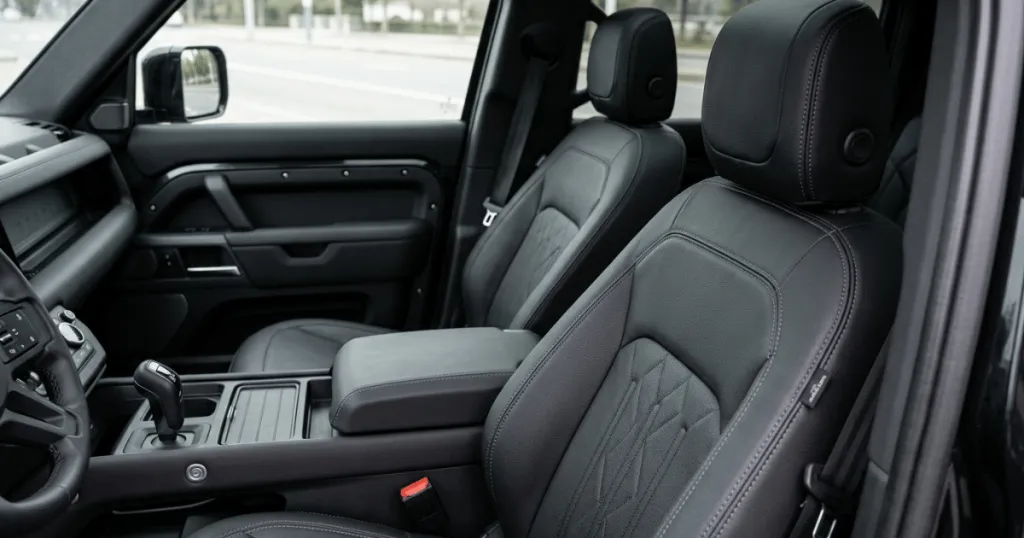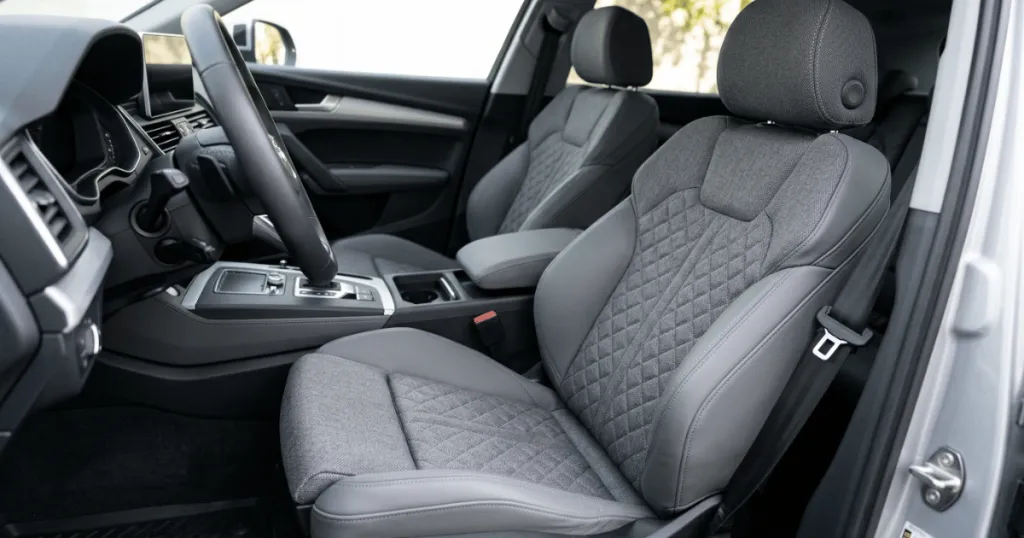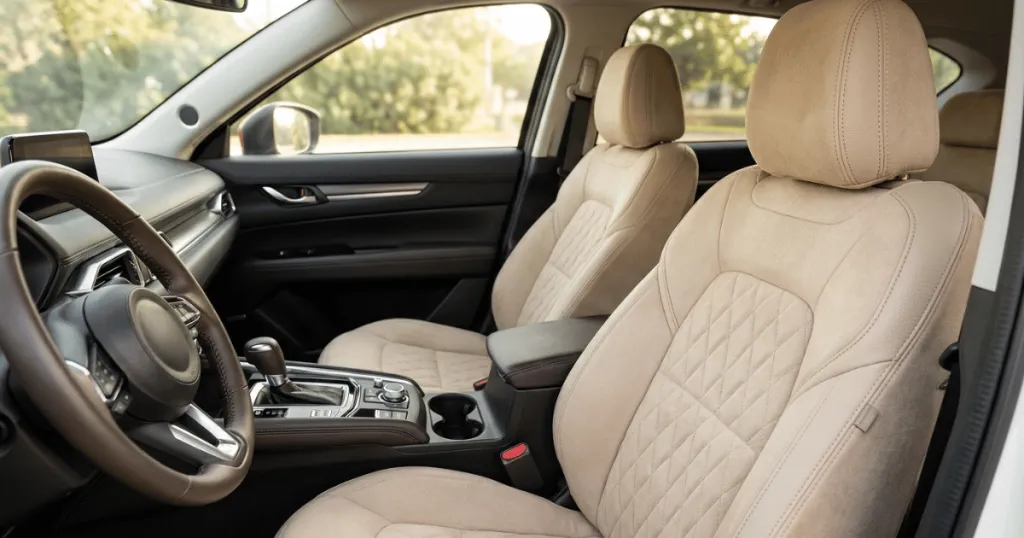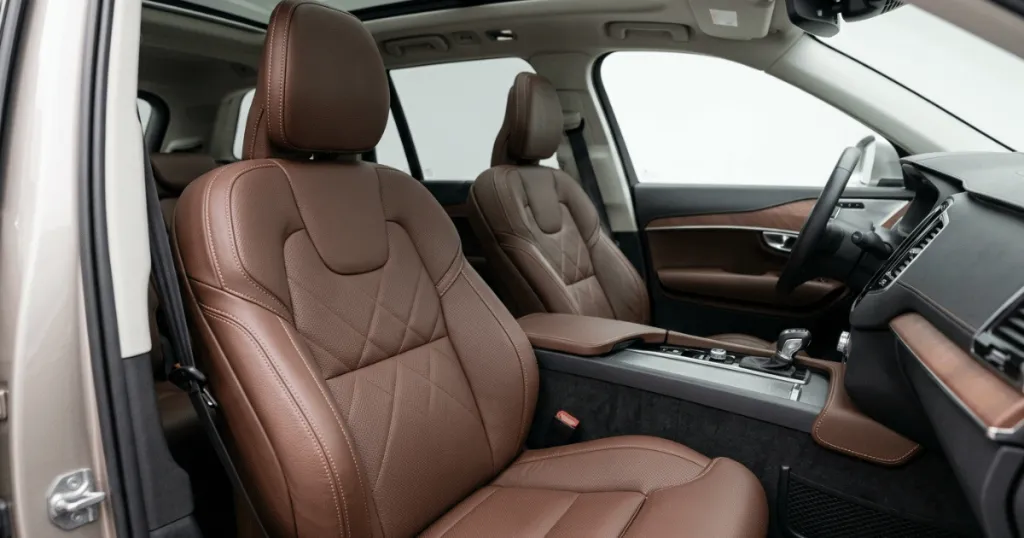
Opting for a tan car seat cover is a popular way to brighten a vehicle’s interior, offering a neutral, sophisticated aesthetic that complements a wide range of dashboard and trim colors. Beyond mere appearance, these covers act as a protective layer against daily wear, UV fading, and accidental spills. Whether you are looking to refresh an aging cabin or simply want to protect your factory upholstery, selecting the right shade and material is essential for a cohesive look.
When integrating a tan car seat cover into your car, the goal is to balance visual appeal with functional durability. A well-chosen cover should not only look like a natural extension of the interior but also withstand the specific conditions of your daily commute or weekend adventures. By focusing on material performance and color consistency, you can achieve a result that feels intentional rather than like an afterthought.
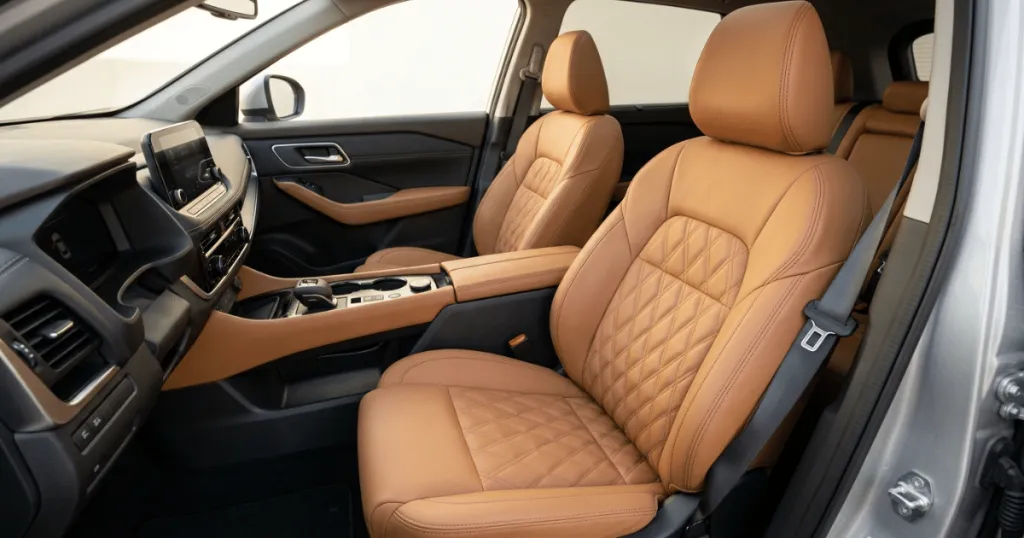
Factors Influencing Your Choice of Tan Car Seat Cover
The primary reason to invest in a tan car seat cover is to achieve a specific visual balance within the cabin. Tan acts as a warm, neutral base that can make a cramped interior feel more spacious and inviting. However, not all tans are the same; the undertones, ranging from sandy beige to deep camel, can clash with existing plastics or carpeting if not carefully considered.
Matching Interior Undertones
Before committing to a specific hue, examine your vehicle’s interior trim. If your dashboard features cool-toned gray plastics, a warm, yellow-leaning tan cover may look disjointed. Instead, look for a neutral or “greige” tan that bridges the gap between your existing cool trim and the desired warmth of a lighter seat. A common mistake is assuming all tan shades will blend seamlessly; always compare samples against your headliner or door panels.
Material Performance and Texture
The material you choose for your tan car seat cover dictates how the color behaves under light. Synthetic fabrics, such as polyester or canvas blends, often have a matte finish that hides dust well but may appear flat in direct sunlight. Conversely, faux leather or vinyl options offer a sheen that mimics luxury upholstery. While this adds a premium feel, these materials can show scuffs or dirt more readily than textured fabrics, requiring more frequent attention to keep the tan surface looking pristine.
Real-World Context for Light-Colored Upholstery
Using a tan car seat cover in a high-traffic vehicle requires a different approach than in a weekend-only cruiser. Because tan is a lighter shade, it is naturally more susceptible to showing dark stains, dye transfer from denim, or pet-related debris. Evaluating these environmental factors allows you to select a material tier that aligns with your specific lifestyle needs.
Daily Commuter and Rideshare Scenarios
For vehicles used daily, especially in professional or high-occupancy settings, prioritize materials with high stain resistance. A tan car seat cover made from treated neoprene or high-grade synthetic leather is often easier to wipe down between trips. These materials prevent liquids from soaking into the cushion, which is vital for maintaining the light color over time. Avoid porous, unsealed fabrics if you frequently transport items that could leave residue.
Family and Pet-Focused Usage
If your vehicle serves as a family hauler or a pet taxi, the challenge shifts toward durability and ease of cleaning. In these scenarios, a tan car seat cover should be treated as a sacrificial layer. Look for options that are machine washable or feature a removable design. While lighter colors show pet hair more clearly than black or charcoal, they also make it easier to spot-clean specific areas before they become permanent stains, allowing for a more proactive maintenance routine.
Deep Dive: Material Selection and Climate Considerations
The climate in which you operate your vehicle significantly impacts the longevity of a tan car seat cover. In high-heat regions, lighter colors like tan are inherently advantageous because they absorb less solar radiation than black or dark gray covers, keeping the seat surface cooler to the touch during summer months. However, the material choice must support this benefit. Breathable fabrics, such as cotton-polyester blends or specialized mesh, allow for better airflow, which is critical for comfort in hot climates. When selecting a tan cover for a hot environment, prioritize breathable weaves over non-porous vinyl, which can trap heat and moisture against the body.
Conversely, in colder climates, the focus shifts to the tactile experience. Faux leather or vinyl tan covers can feel quite cold upon initial contact in winter. If you live in a region with significant seasonal temperature swings, consider a tan cover with a soft-touch finish or a quilted design that adds a layer of air insulation. The quilted pattern not only provides a luxury aesthetic but also creates small pockets of air that help regulate temperature more effectively than flat, smooth surfaces.
Installation Nuances and Fitment
A tan car seat cover only achieves its full potential if it fits the seat contours correctly. Poorly fitted covers tend to bunch up, creating creases where dirt and debris can collect, which is particularly noticeable on lighter tan surfaces. When installing, ensure the tension straps are pulled taut to prevent the material from shifting during entry and exit. For bucket seats, focus on the side bolsters, as these are high-friction areas where the cover is most likely to move. If your vehicle has headrests, ensure the cover accommodates them without creating gaps that expose the original factory upholstery, as this contrast can break the visual harmony you are trying to achieve.
Advanced Maintenance Strategies for Light Shades
Maintaining the pristine appearance of a tan car seat cover is best achieved through a consistent schedule of preventative cleaning rather than waiting for stains to appear. Because tan is a high-visibility color, even minor dust accumulation can dull the finish over time. Beyond weekly vacuuming, consider the use of protective sprays. Many modern upholstery protectors are designed to create a hydrophobic barrier on the surface of the fabric or synthetic leather. This barrier prevents liquids from penetrating the fibers, allowing you to wipe away spills before they set. For synthetic leather covers, a dedicated conditioner is essential. These conditioners keep the material supple, preventing the small cracks that often trap dirt and become impossible to clean without specialized tools.
Achieving Visual Harmony Through Color Matching
The decision to install a tan car seat cover is fundamentally about the atmosphere you create inside your vehicle. A cohesive interior feels more refined and intentional. When you select a shade that aligns with your vehicle’s existing design language, the cover ceases to look like an accessory and starts to look like a factory-installed feature. This visual harmony is what separates a cluttered, mismatched interior from a well-curated one.
Beyond aesthetics, the psychological impact of a lighter cabin is significant. Tan surfaces reflect more light, which can reduce the feeling of being enclosed in a dark, cave-like space during long drives. This can make the vehicle feel airier and more comfortable for passengers. By carefully selecting your tan car seat cover to match the surrounding trim, you provide a dual benefit: you shield the original upholstery while simultaneously elevating the overall ambiance of your daily transit.
Ultimately, the success of this upgrade depends on your willingness to maintain the cleanliness of the lighter shade. If you are prepared to perform regular, light cleaning, a tan car seat cover can provide years of aesthetic and functional value. By prioritizing material quality and color harmony, you ensure that your vehicle remains a comfortable and visually appealing space for every journey.
FAQ
Will a tan car seat cover show dirt more easily than darker colors?
Yes, a tan car seat cover will show dirt, dust, and stains more clearly than darker colors because of the higher contrast. This makes regular maintenance and quick spot-cleaning essential for keeping the interior looking clean.
How do I prevent dye transfer from my jeans onto my tan seat covers?
Dye transfer is common with lighter upholstery. To minimize it, consider using a fabric protector spray designed for your specific cover material, which creates a barrier against color migration. Additionally, avoid wearing brand-new, unwashed denim on light-colored seats.
Can I use a tan car seat cover in a vehicle with gray interior trim?
It is possible, but it requires careful color matching. Look for a ‘greige’ or neutral-toned tan rather than a warm, yellow-based tan to ensure the cover complements the cool gray tones of your dashboard and door panels.