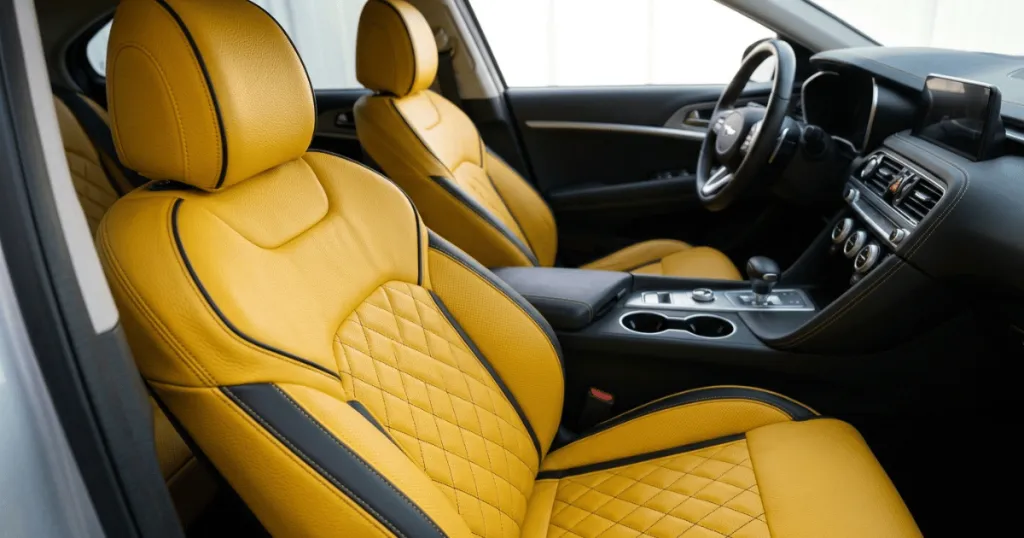
Selecting a yellow car seat cover is a design choice that instantly shifts the visual energy of your vehicle’s interior. Whether you are aiming for a high-contrast racing aesthetic or a bright, cheerful atmosphere, this color choice demands careful consideration of both visual impact and long-term upkeep. Because yellow is a high-visibility hue, it behaves differently under sunlight and interior lighting than more traditional neutral tones like black or gray.
Before committing to such a vibrant shade, consider how the specific tone of yellow interacts with your existing dashboard, carpets, and door panels. A bright lemon yellow offers a sharp, modern look, while a mustard or ochre tone provides a more muted, retro-inspired aesthetic. Balancing this visual choice with the right material ensures that your interior remains functional for daily driving while achieving the specific look you desire.
Factors Influencing Your Choice of Seat Protection
Selecting the right cover requires more than just picking a color. You must evaluate how the material handles daily friction, light exposure, and potential staining. Because yellow highlights surface debris more readily than darker colors, the material choice becomes a critical component of your maintenance strategy.
Material Durability and Texture
Synthetic fabrics like polyester blends are common for vibrant, dyed seat covers. These materials hold color well but can be prone to pilling if the weave is too loose. If you prioritize longevity, look for high-denier fabrics that resist abrasion from entry and exit. A tighter weave generally prevents dirt from settling deep into the fibers, which is particularly important for lighter colors where every speck of dust is visible. Consider the texture as well; a smooth, flat-weave fabric is often easier to vacuum than a deep-pile or plush material, which tends to trap fine particulate matter.
Sunlight Exposure and Color Retention
Yellow pigments are susceptible to fading when exposed to intense UV radiation over long periods. If your vehicle spends most of its time parked outdoors, look for materials specifically treated with UV-resistant coatings. Without this protection, a bright yellow car seat cover can lose its vibrancy within a single season, shifting toward a dull, washed-out shade.
Opting for synthetic textiles engineered with high-performance colorfast pigments helps preserve that initial saturation far longer than standard natural fibers. Furthermore, consider using window tinting or sunshades to mitigate the intensity of direct sunlight hitting the seats when the vehicle is stationary.
Stain Resistance and Cleaning Needs
Lighter colors show spills, oils, and dirt much faster than darker upholstery. When selecting a yellow cover, prioritize materials that offer a liquid-repellent finish. This feature allows you to wipe away accidental spills before they soak into the fabric. If you frequently transport pets or gear, consider a heavy-duty vinyl or treated canvas option, as these surfaces are easier to sanitize than porous fabrics that might hold onto stains permanently.
For those who prefer a fabric feel, look for options that are machine-washable, as the ability to launder the cover periodically is the most effective way to restore a bright yellow hue after months of use.
Real-World Scenarios for Vibrant Interior Upgrades
The decision to install a yellow car seat cover often stems from a desire to personalize a vehicle. However, the practical application changes depending on how you use your car. Evaluating your specific driving habits and passenger needs allows you to anticipate potential wear patterns and visibility challenges before they become permanent issues.
Daily Commuting and Passenger Comfort
For a daily driver, comfort is just as important as the visual style. A yellow car seat cover made from breathable mesh or perforated faux leather can prevent the seat from becoming uncomfortably hot during the summer. If you opt for a solid, non-breathable material, you may notice that the seat feels warmer, especially in direct sunlight.
Ensure the cover design accounts for airflow to keep the seating surface comfortable during longer trips. Ergonomic considerations, such as the thickness of the padding or the presence of lumbar support inserts, should also be evaluated alongside the color choice to ensure the seat remains comfortable for extended periods.
Off-Road and Outdoor Usage
If your vehicle is used for camping or off-road excursions, the environment will be much harsher on your upholstery. In these cases, a yellow car seat cover should be treated as a protective layer rather than just a decorative one. Look for materials that can be easily removed and machine-washed. Mud and trail dust will inevitably find their way into the cabin, and having a cover that stands up to frequent cleaning cycles is essential for keeping the interior looking fresh.
Consider the weight of the material; heavier-duty canvas or tactical-grade fabrics are often better suited for the rigors of outdoor activity than thin, decorative polyester.
Rideshare and Commercial Applications
Using a bright, non-traditional color like yellow in a commercial or rideshare vehicle can create a memorable brand identity for your service. However, passengers may be more critical of cleanliness when the interior color is light or vibrant. If you choose this route, you must commit to a strict cleaning schedule.
A yellow cover that looks dingy or stained will negatively impact the passenger experience, so choose materials that are resistant to heavy-duty cleaning agents and frequent vacuuming. It is often wise to keep a spare set of covers on hand so that one can be cleaned while the other is in use, ensuring the vehicle always presents a pristine appearance.
The Impact of Color on Cabin Atmosphere
The interior of a vehicle is a confined space, and color has a significant psychological effect on how that space feels. A yellow car seat cover acts as a focal point, drawing the eye immediately upon entry. This can make a small vehicle interior feel more expansive and energetic, whereas it might feel overwhelming in a car that is already packed with complex textures and patterns. When integrating such a bold color, consider the “rule of three”: if you have yellow seat covers, perhaps add a small yellow accessory on the dash or floor mats to tie the look together without making the cabin feel chaotic.
Beyond the psychological impact, there is the practical matter of visual clutter. A bright yellow cover makes it impossible to ignore even minor messes. While this might seem like a disadvantage, many owners find it to be a positive trait because it forces them to keep the interior clean. You are much more likely to address a small spill immediately when it stands out against a bright background, preventing it from becoming a permanent stain.
This proactive approach to maintenance is the secret to keeping a yellow interior looking as good as the day it was installed. Furthermore, the high visibility of yellow can actually assist in finding lost items that might otherwise disappear into the dark crevices of black or gray upholstery.
Addressing Common Misconceptions About Bright Upholstery
Many people hesitate to use lighter colors like yellow, fearing they are inherently more difficult to maintain than black or gray. In reality, the difficulty of maintenance is tied more to the material’s surface texture and porosity than the color itself. A smooth, non-porous surface in yellow is often easier to clean than a textured, dark fabric that traps fine dust and lint. When evaluating a potential cover, perform a simple “rub test” with a damp cloth to see how easily surface debris is lifted from the material.
Another common concern is that vibrant colors will clash with the existing interior. While it is true that yellow is a bold choice, it can be successfully integrated by using it as a deliberate accent. You do not need to cover every seat in yellow; sometimes, using covers with yellow piping or stitching provides the desired pop of color without overwhelming the cabin. This approach allows you to enjoy the aesthetic benefits of a yellow car seat cover while maintaining a more balanced, professional look throughout the vehicle. Consider the undertones of the yellow, a cool, neon yellow will interact differently with blue or gray interiors than a warm, golden-yellow will with tan or brown interiors.
Installation Considerations for Optimal Fit
The visual impact of a yellow seat cover is significantly diminished if the fit is poor. Sagging, bunching, or misaligned seams are much more noticeable on a bright, high-contrast color than they are on darker, more forgiving shades. When installing your covers, take the time to ensure they are pulled taut and that all attachment points, such as hooks, straps, and clips, are properly secured. If the cover is designed for a specific seat shape, such as a bucket seat with deep bolsters, ensure the material is properly tucked into the creases to prevent shifting during use.
For those installing covers on bench seats, pay extra attention to the headrest openings and seatbelt access points. A yellow cover that is misaligned will draw the eye to the gaps between the cover and the original upholstery, creating a “cheap” look. If you are struggling to achieve a smooth fit, consider using additional upholstery clips or foam inserts to help the cover conform to the contours of the seat. A well-fitted, bright yellow cover can look like a custom upholstery job, whereas a poorly fitted one will always look like an afterthought.
Long-Term Care and Maintenance Cycles
To keep a yellow car seat cover looking vibrant, you must establish a consistent maintenance cycle. This involves more than just spot cleaning; it requires periodic deep cleaning to remove the oils and fine dust that accumulate over time. For fabric covers, this means removing them for a gentle machine wash or professional cleaning. For vinyl or faux leather, it means using a mild, pH-balanced cleaner that won’t strip the color or cause the material to crack.
Avoid using harsh chemicals or bleach-based cleaners on yellow covers, as these can cause permanent discoloration or damage the protective finish. Instead, use cleaners specifically formulated for automotive upholstery. If you notice the color beginning to fade despite your best efforts, you might consider using a fabric-safe color restorer or a UV-protectant spray to help revitalize the appearance. Remember that the goal is to prevent the accumulation of grime, which acts as an abrasive over time, slowly wearing down the fibers or surface coating of the cover.
FAQ
Will a yellow car seat cover fade quickly in the sun?
Yellow pigments can be prone to UV fading. To maximize the lifespan of your yellow car seat cover, look for materials specifically treated with UV-resistant coatings or those labeled as colorfast.
Is it harder to keep a yellow cover clean?
While lighter colors show dirt more readily, the ease of cleaning depends on the material. A smooth, water-resistant material is often easier to wipe down than a porous fabric, regardless of the color.
Can I use yellow seat covers in a professional vehicle?
Yes, but it requires a high level of maintenance. Because yellow is highly visible, any stains or wear or stains will be obvious to passengers, so you must commit to frequent cleaning to keep the interior looking professional.