Selecting an orange car seat cover is a deliberate design choice that shifts the cabin aesthetic from neutral to energetic. Whether you are aiming for a high-contrast sport look or a warm, retro-inspired cabin, the color orange commands attention and influences the overall mood of your driving experience. Because this color is inherently bold, the success of the installation often depends on how well it balances with your vehicle’s existing dashboard, floor mats, and door panel trim.
Integrating such a vibrant hue requires more than just picking a shade; it involves considering how the material texture interacts with the light inside your vehicle. A matte canvas cover in burnt orange will provide a vastly different visual outcome than a glossy, synthetic leather option in neon orange. By focusing on the interplay between color intensity and material finish, you can ensure the upgrade feels like a cohesive design choice rather than an afterthought.
Factors Influencing Your Color and Material Selection
The most significant hurdle when incorporating an orange car seat cover is balancing the high-energy nature of the pigment with the rest of your interior. Orange is a secondary color that naturally draws the eye, making it a focal point in any interior. Before committing to a specific shade, consider the existing color palette of your vehicle.
Matching Orange to Your Interior Tones
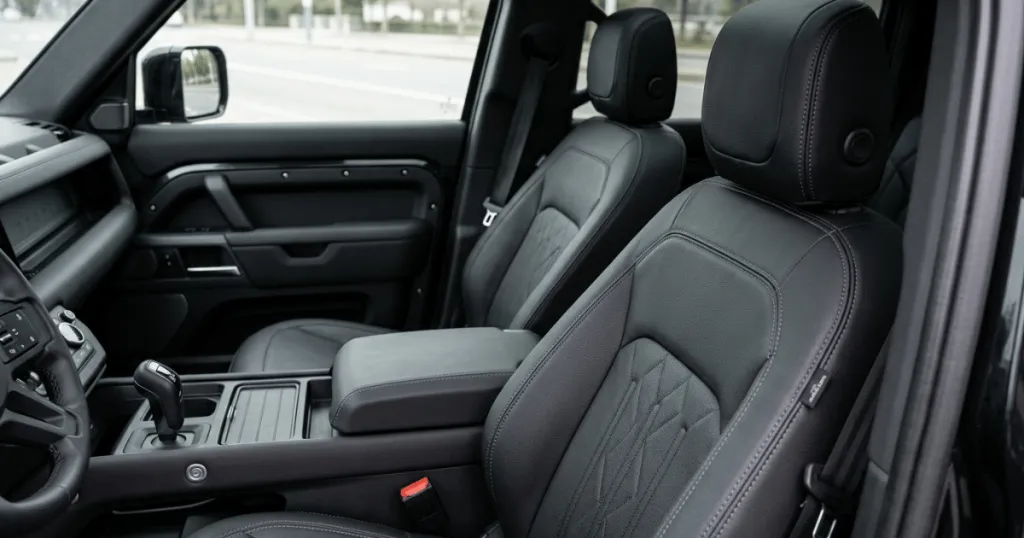
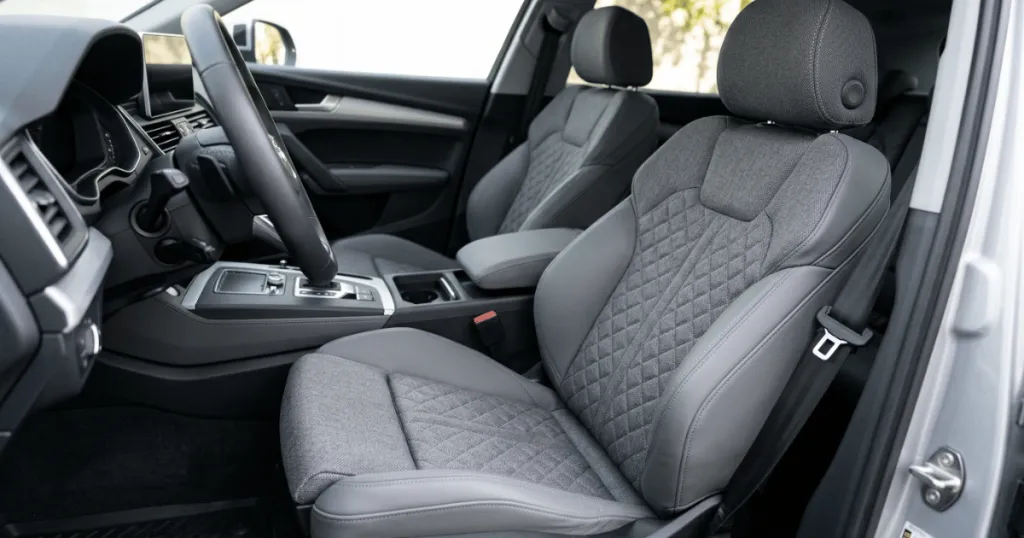
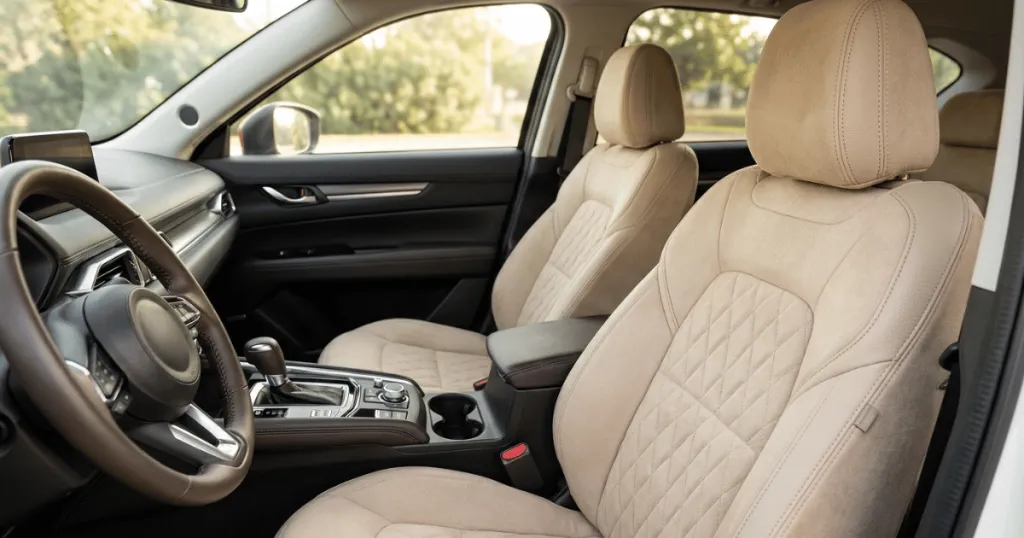
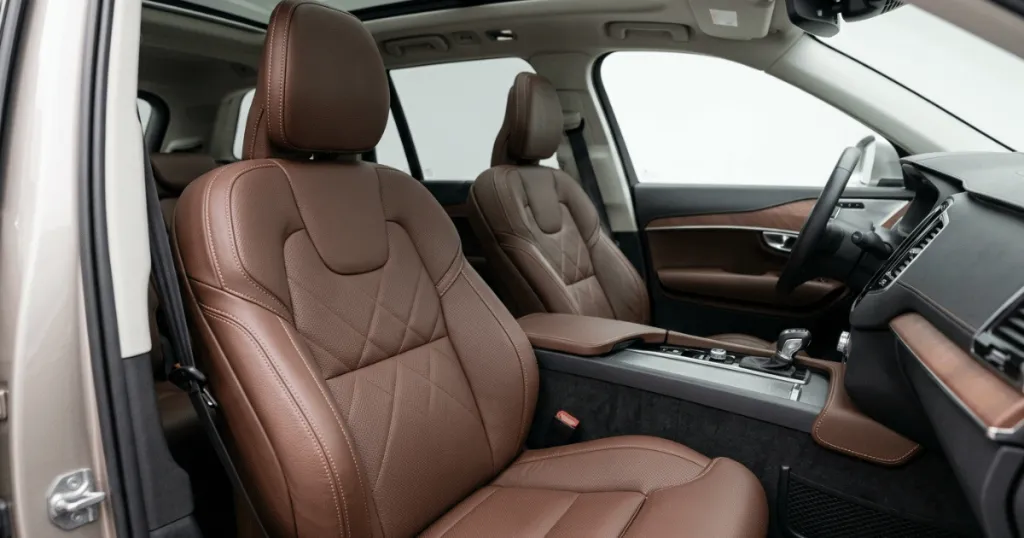
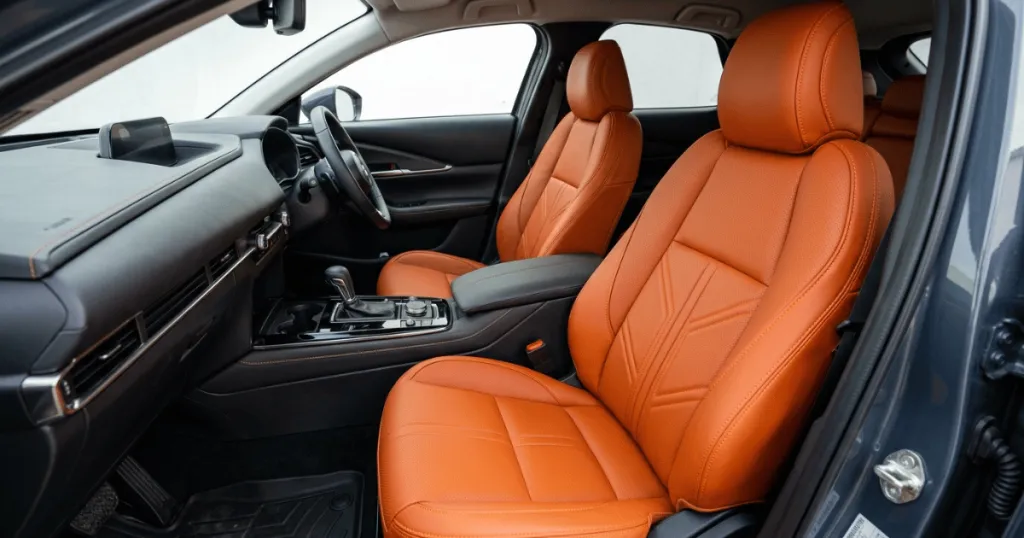
If your vehicle features a dark grey or black interior, orange provides a sharp, modern contrast that mimics high-end performance vehicle aesthetics. In these environments, a deep, burnt orange or terracotta shade often looks more sophisticated than a bright, traffic-cone orange. When the interior has tan or beige elements, look for warmer, earth-toned orange covers that complement the natural warmth of the cabin rather than clashing with it. The goal is to create a visual bridge between the seat cover and the existing dashboard plastics or door cards.
Material Texture and Color Retention
The material you choose will dictate how the orange color appears over time. Synthetic leather or vinyl covers often hold vibrant, saturated colors well because the pigment is integrated into the surface coating. These materials are generally easier to wipe down, which is helpful since lighter or brighter orange shades can show dirt more readily than darker colors. Conversely, fabric or neoprene covers offer a softer, more muted appearance. While these materials are comfortable, they may require more frequent vacuuming to keep the fibers looking clean and vibrant. Consider how the light reflects off these surfaces; a glossy finish will make the orange appear more intense, while a textured fabric will soften the hue.
Real-World Scenarios for Vibrant Seating
The utility of an orange car seat cover often depends on how you use your vehicle daily. Different lifestyles demand different levels of durability and maintenance, which should guide your final selection beyond just the color preference.
Daily Commuting and Passenger Comfort
For vehicles used primarily for commuting, comfort is usually the priority. Breathable fabrics like polyester blends or perforated faux leather in orange can keep the seats comfortable during long drives. If you frequently carry passengers, consider a design that includes quilted stitching. The texture of the quilting helps break up the solid block of color, making the orange appear more integrated into the seat shape rather than just a flat layer of fabric. This adds a layer of depth that prevents the color from feeling overwhelming in a confined space.
Active Lifestyles and Vehicle Usage
If your vehicle sees heavy use from outdoor activities, pets, or frequent cargo loading, durability becomes the primary concern. In these scenarios, heavy-duty canvas or high-denier polyester covers are often superior. While these materials might not offer the same sleek look as faux leather, they are significantly more resistant to tearing and abrasion. A darker, burnt orange canvas is particularly effective here, as it hides minor scuffs and dirt better than lighter, more vibrant shades of orange. When choosing for an active lifestyle, prioritize materials that can be easily spot-cleaned or even removed for a deeper wash if necessary.
Practical Considerations for Long-Term Maintenance
Maintaining the appearance of an orange car seat cover involves a balance of regular cleaning and protective habits. Because orange is a high-visibility color, any accumulation of dust or debris becomes noticeable faster than it would on a black or grey cover.
Routine Cleaning and Care
Establish a habit of vacuuming your seats weekly to prevent grit from settling into the fabric fibers or the crevices of the seat cover. For synthetic leather, a simple wipe-down with a damp microfiber cloth is usually sufficient to remove surface dust. Avoid using harsh chemical cleaners, as these can strip the color pigment or cause the material to crack over time. If you notice a spill, address it immediately by blotting the area rather than rubbing, which can push the liquid deeper into the material. For fabric covers, consider a fabric-safe upholstery cleaner that is pH-balanced to preserve the vibrancy of the orange dye.
Managing Color Fading
UV exposure is the most significant threat to the vibrancy of your covers. If your vehicle is frequently parked in direct sunlight, the orange pigment may fade over time, leading to a washed-out appearance. Using a windshield sunshade is a simple, effective way to reduce the amount of direct UV light hitting your seats. Additionally, applying a UV-protectant spray specifically designed for your seat cover material can help maintain the color integrity and keep the material supple for longer. This is especially important for synthetic materials that might become brittle under constant sun exposure.
Why Color Choice Impacts Your Cabin Experience
The decision to install an orange car seat cover is fundamentally about how you want to feel when you enter your vehicle. Color psychology suggests that warm tones like orange can increase feelings of energy and optimism, which can be a welcome change for those who spend significant time in their cars. When you choose a shade that aligns with your personal style, the interior feels more personalized and intentional.
Beyond the emotional impact, the practical reality is that high-contrast colors like orange change the perceived size of the interior. A bright, bold orange can make a small cabin feel more open and lively, whereas a deep, muted orange can make a large interior feel more grounded and cozy. By understanding these visual effects, you can use your seat covers to manipulate the atmosphere of your vehicle to better suit your preferences. Ultimately, the most successful installations are those that prioritize a balance between the bold visual statement of the orange color and the functional requirements of your daily driving routine.
Installation and Fitment Considerations
Achieving a professional look with an orange car seat cover requires careful attention to the fitment process. Because orange is a high-contrast color, any loose fabric or poor alignment will be immediately noticeable. Ensure that the cover is pulled taut across the seat base and backrest to prevent unsightly wrinkles that can disrupt the clean lines of the design.
If your seats have specific features like adjustable headrests or integrated armrests, look for covers that offer tailored openings or modular sections. This ensures that the orange color remains consistent across the entire seating surface without being broken up by poorly fitting sections. Taking the time to secure the straps and clips properly will not only improve the visual impact but also prevent the cover from shifting during use, which is essential for maintaining the intended aesthetic.
FAQ
Will an orange car seat cover fade quickly in the sun?
Like any colored fabric, an orange car seat cover can experience fading if exposed to intense, direct UV light over long periods. Using a windshield sunshade and choosing materials treated with UV-resistant coatings can significantly extend the life and vibrancy of the color.
How do I clean a bright orange car seat cover without causing discoloration?
Stick to mild, pH-neutral cleaners and soft microfiber cloths. Avoid bleach or heavy-duty industrial solvents, which can strip the orange dye or damage the material surface. Always spot-test a hidden area first to ensure the cleaner does not react negatively with the fabric.
What interior colors pair best with orange seat covers?
Orange is highly versatile. It creates a bold, sporty contrast against black or dark grey interiors. For vehicles with tan or brown interiors, earth-toned or burnt orange shades often provide a more harmonious and refined look.