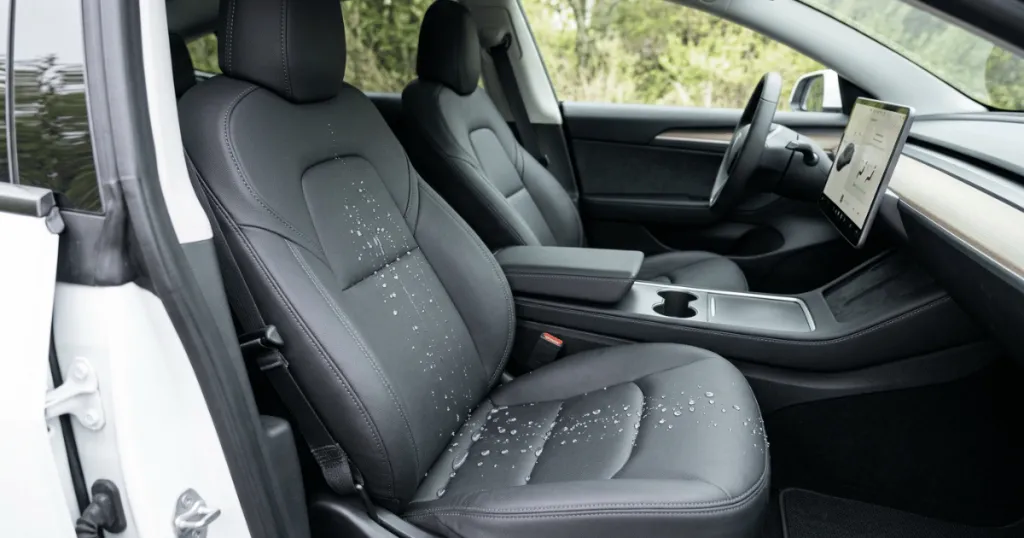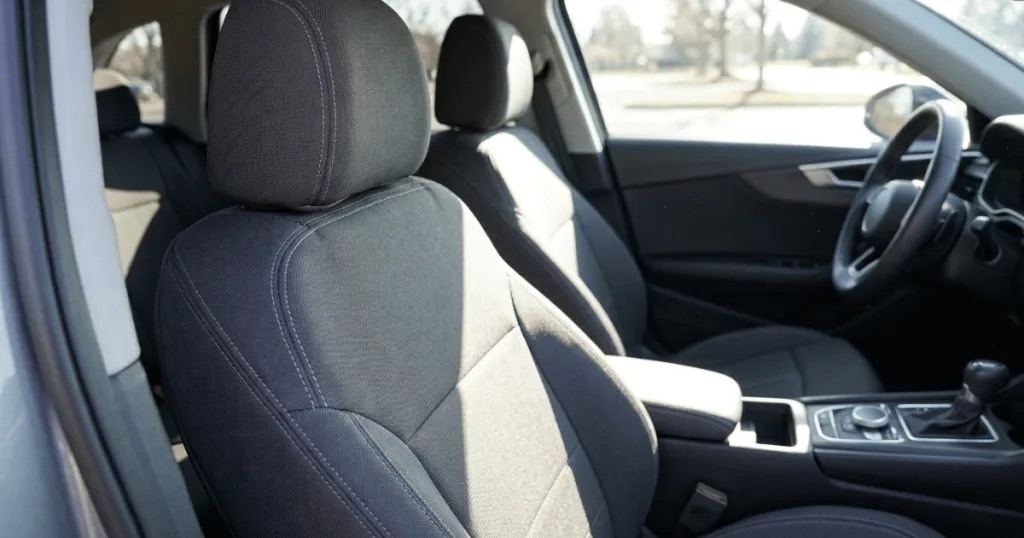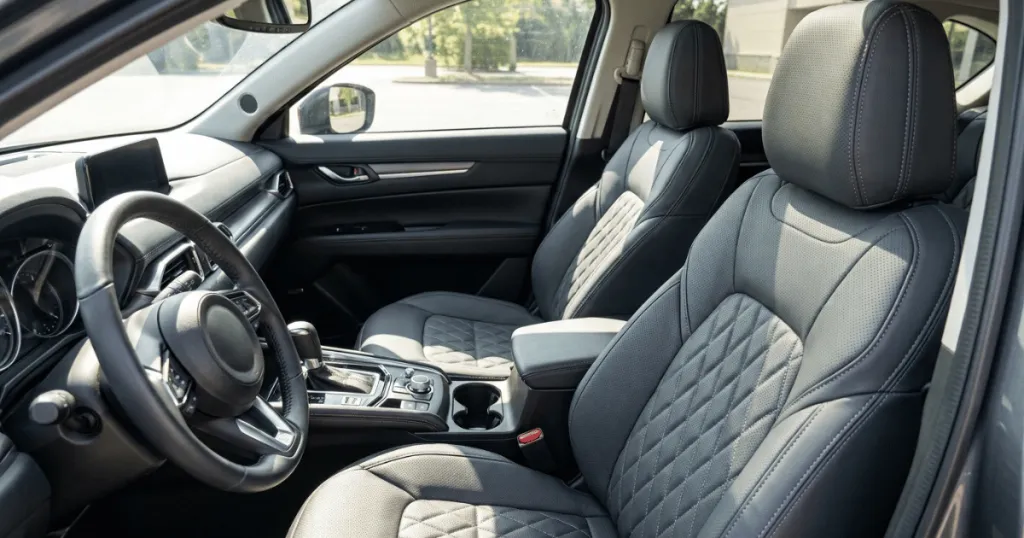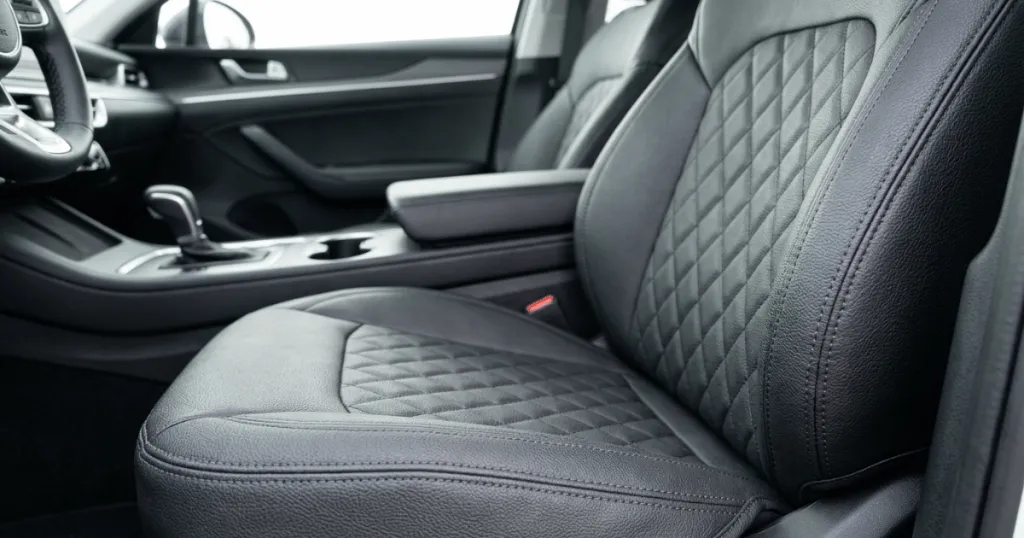
Many vehicle owners assume that any thick, heavy-duty fabric will naturally serve as a tear resistant car seat cover. In reality, thickness is only one factor in a complex equation involving fiber density, weave structure, and chemical treatments. A seat cover that feels substantial to the touch may still fail under the stress of sharp objects, pet claws, or constant friction if the underlying material construction is not designed to distribute tension effectively.
Focusing on the right combination of materials and design ensures that your upholstery remains protected against the daily rigors of commuting, family transport, or professional use. By shifting the focus from mere thickness to structural integrity, you can select a cover that maintains its shape and performance over years of service rather than months.
Materials Engineered for High-Stress Environments
Heavy-Duty Ballistic Nylon
Ballistic nylon is often the first choice for those requiring maximum resistance to punctures and tears. Originally developed for military applications, this material features a tight, multi-filament weave that prevents snagging. In a vehicle, this means that keys, belt buckles, and pet claws are less likely to catch and pull a thread, which is the primary cause of material failure in standard fabric covers. The high tensile strength of these fibers allows them to withstand significant force without undergoing material fatigue, making them ideal for high-traffic areas.
Reinforced Synthetic Leather
Not all faux leather is created equal. High-performance synthetic leather options often incorporate a reinforced backing layer that acts as a stabilizer. This backing prevents the surface material from stretching beyond its limit, which is where most tears begin. When selecting this material, look for options that emphasize a multi-layer composition, as these are significantly more resistant to the localized stress of entering and exiting the vehicle. Unlike traditional vinyl, engineered synthetic leather is designed to resist cracking under extreme temperature fluctuations, which is a common cause of premature failure in lower-quality alternatives.
High-Denier Neoprene
Neoprene is prized for its elasticity, but it can be prone to tearing if the grade is too low. A high-denier neoprene blend includes a nylon or polyester jersey face that provides the necessary tensile strength. This combination allows the cover to stretch and conform to the seat contours without the material thinning out or developing micro-tears at the stress points near the headrest or seat base. The elasticity of neoprene is a double-edged sword; while it provides a snug fit, the material must be thick enough to handle the shear forces applied during everyday use.
Real-World Scenarios and Material Performance
Protecting Against Pet-Related Damage
Pets are the most common source of upholstery damage. A tear resistant car seat cover designed for pet owners must handle both the weight of the animal and the sharpness of their claws. Materials with a smooth, non-porous finish are generally superior here, as they provide less “grip” for claws to dig into. A tight weave or a solid-surface synthetic material forces the claw to slide across the surface rather than penetrating the fibers. When evaluating options, consider the density of the weave; a tighter fiber density directly correlates to better friction resistance, effectively preventing claws from finding a purchase point.
Managing High-Frequency Entry and Exit
If you use your vehicle for rideshare, delivery, or frequent short trips, the bolster area of the seat receives the most abuse. This is where the fabric is subjected to constant sliding friction. In these scenarios, choosing a cover with reinforced side panels is a practical necessity. These panels often use a different, more durable material than the center section, specifically designed to withstand the shear forces generated every time a passenger sits down or stands up. By distributing the mechanical load across a reinforced panel, the cover prevents the primary seating surface from pulling away from the seams.
Consequences of Ignoring Structural Integrity
Selecting a seat cover based solely on color or aesthetic appeal often leads to premature replacement. When a cover lacks the necessary tear resistance, it begins to fail at the seams first. Once a seam starts to pull, the tension is redistributed to the surrounding fabric, which accelerates the degradation of the entire unit. This creates a cycle where the cover becomes an eyesore and eventually loses its protective function entirely. Seam integrity is often the weakest link in any seat cover design, which is why double-stitching or reinforced piping is a hallmark of high-quality, durable seat covers.
Furthermore, a failing cover can actually trap debris and moisture against the original factory upholstery. If a tear develops, dirt and liquids can seep through the opening, potentially staining or damaging the seat underneath without the owner realizing it. Prioritizing a durable, tear-resistant design is therefore an investment in the long-term condition of the vehicle’s interior, not just a temporary fix for a cosmetic issue. Regular inspection of the cover’s underside can help identify early signs of material fatigue before a small snag turns into a structural failure.
Dispelling Myths About Material Strength
Why Thickness Does Not Guarantee Durability
A common misconception is that a thicker, more padded cover is inherently more tear-resistant. In practice, excessive padding can sometimes mask a weak base material. If the foam lamination is too soft, the outer fabric may stretch excessively under pressure, leading to thinning and eventual tearing. A thinner, high-tensile fabric is often more effective at resisting tears than a thick, loose-weave material that lacks structural reinforcement. The focus should always be on the material composition of the primary layer, rather than the secondary comfort padding.
The Role of Waterproofing in Material Longevity
Many shoppers assume that waterproof materials are automatically more durable. While waterproof coatings can prevent liquid absorption, they do not necessarily improve the physical strength of the fabric. In some cases, heavy-duty waterproof coatings can make a fabric more rigid, which may lead to cracking or splitting at the folds over time. It is vital to check that the material is engineered for flexibility as well as resistance to ensure it survives the temperature fluctuations inside a parked vehicle. A truly durable cover balances water resistance with the ability to flex without losing its structural integrity.
Strategic Considerations for Long-Term Upholstery Preservation
To maximize the lifespan of your seat covers, consider the interaction between the cover material and the vehicle’s seat architecture. Seats with aggressive bolsters or complex contours require materials that can maintain tension without bunching. When material bunches, it creates localized stress points that are prone to tearing. Selecting a cover that is specifically engineered for your seat type ensures that the material is properly tensioned across the entire surface, reducing the likelihood of premature wear.
Furthermore, consider the environmental factors of your region. If you live in a high-UV climate, look for materials that include UV-resistant treatments. Prolonged exposure to sunlight can degrade synthetic fibers, making them brittle and significantly more susceptible to tearing. A tear resistant car seat cover that is also UV-stabilized will retain its mechanical properties much longer than a standard cover, providing consistent protection for your vehicle’s interior.
Final Guidance for Long-Term Protection
When you are ready to invest in a tear resistant car seat cover, prioritize materials with a proven track record in high-stress environments, such as ballistic nylon or reinforced synthetic leather. Always inspect the stitching quality, as even the strongest material will fail if the thread used to join the panels is not equally durable. By focusing on these structural details, you ensure that your investment provides reliable protection for years to come. Remember that maintenance is also key; keeping the covers clean prevents abrasive grit from working its way into the fibers, which can cause internal wear and weaken the material from the inside out.
FAQ
How can I tell if a material is truly tear resistant?
Look for specifications like high denier counts (e.g., 600D or higher) and reinforced backing layers. A tear resistant car seat cover will typically feature a tight weave or a multi-layer construction that resists puncture and shear forces.
Do I need special cleaning for tear resistant materials?
Most durable, tear resistant fabrics can be cleaned with a mild soap and water solution. Avoid harsh chemicals or abrasive brushes that could degrade the protective coatings or weaken the fibers over time.
Will a tear resistant cover feel uncomfortable?
While some industrial-grade materials feel stiffer initially, many modern options include a soft-touch top layer or a breathable backing to maintain comfort. The key is to balance the durability of the outer layer with the cushioning provided by the seat’s design.