Many vehicle owners assume that any thick fabric will suffice for protecting their seats from pets. In reality, the difference between a standard cover and a truly pet resistant car seat cover lies in the weave density, material coating, and how the fabric handles claw penetration. Evaluating the right protection requires looking past simple thickness to assess how specific materials interact with pet hair, moisture, and sharp nails.
When you invest in a seat cover specifically designed for pets, you are prioritizing the longevity of your vehicle’s factory upholstery. This approach prevents permanent damage from muddy paws, shedding fur, and occasional accidents. By focusing on the right technical specifications, you can maintain a clean, comfortable environment for both your passengers and your pets during every drive.
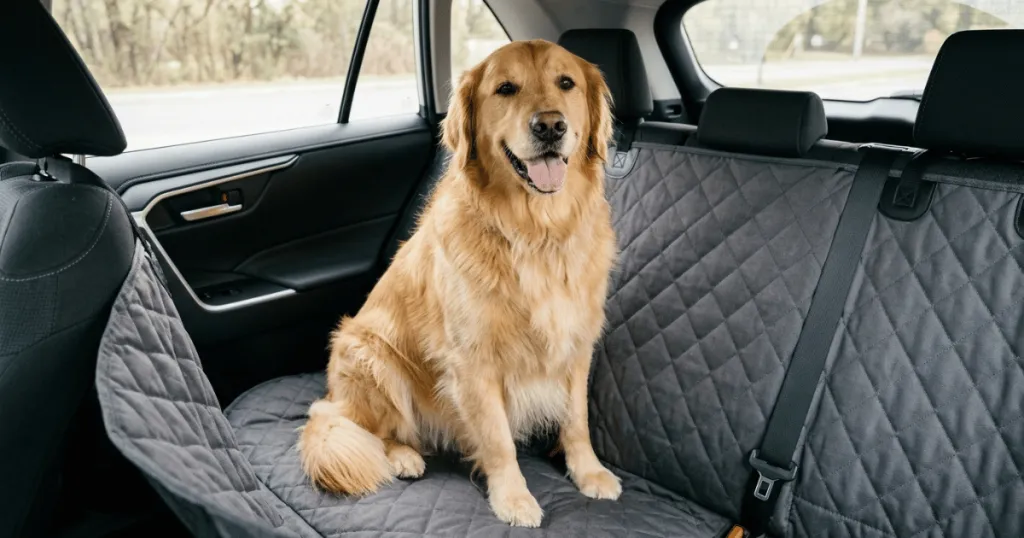
Key Factors Influencing Durability and Protection
The effectiveness of a seat cover depends heavily on its construction and the environment in which it is used. Not all materials perform equally when faced with the specific challenges of pet ownership, such as clawing or heavy shedding.
Material Weave and Density
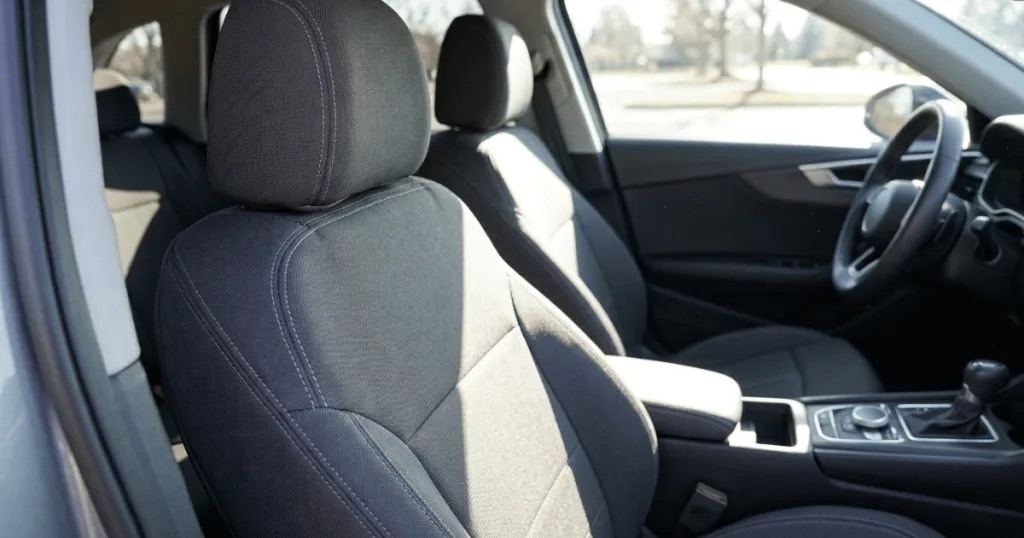
High-density fabrics are significantly more resistant to snagging than loose weaves. When a pet’s claw makes contact with a tightly woven canvas or heavy-duty polyester, the fibers are less likely to pull or fray. A loose weave, conversely, allows claws to easily hook into the fabric, leading to rapid degradation. Look for materials described as having a high denier rating, as this indicates a thicker, more robust fiber structure that holds up better under the stress of daily use.
Moisture Barrier Capabilities
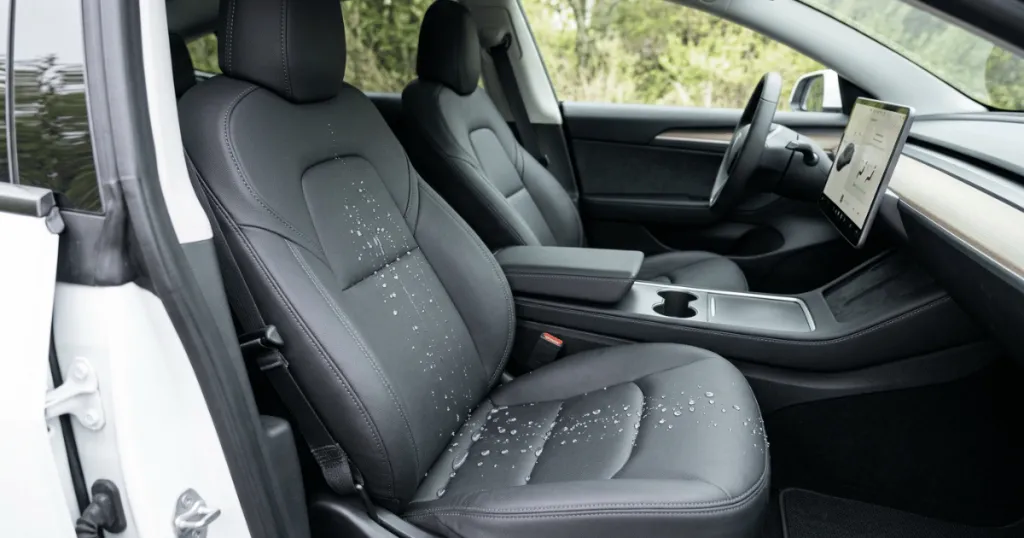
A pet resistant car seat cover often features a specialized backing or coating to prevent liquids from reaching the seat cushion. This is critical for managing muddy paws or accidental spills. Without this barrier, liquids can seep through the seams and into the foam of your car seat, which is notoriously difficult to clean. Opting for materials with a bonded TPU or PVC backing ensures that moisture remains on the surface where it can be wiped away easily.
Resistance to Fur Accumulation
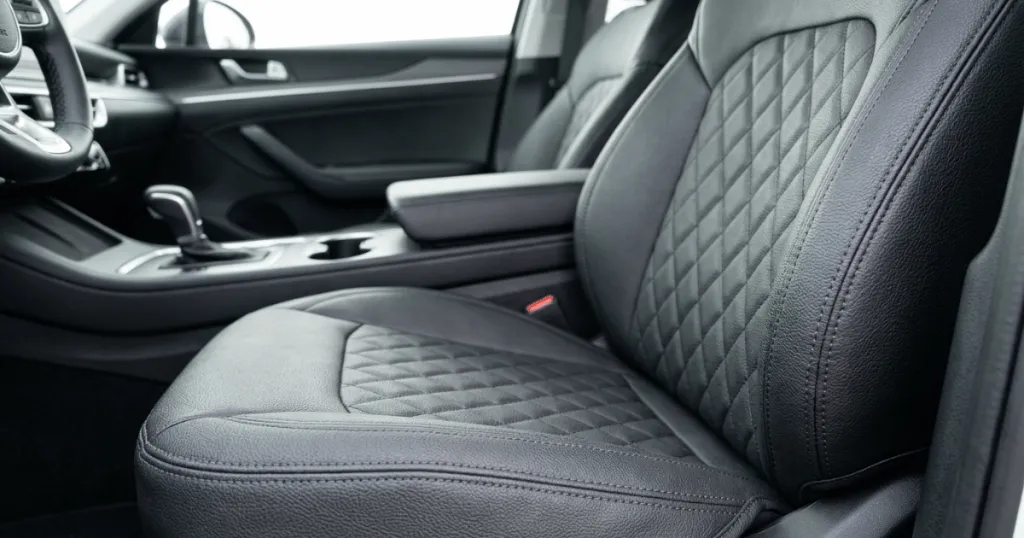
Some materials act like magnets for pet hair, while others allow it to be shaken or vacuumed off with minimal effort. Smooth, non-porous surfaces like high-quality faux leather or treated synthetic fabrics generally prevent fur from embedding into the fibers. If you choose a fabric-based cover, look for those with a tight, smooth finish rather than a textured or plush surface, which tends to trap hair deep within the weave.
Real-World Usage Scenarios
The specific needs of your pet and your vehicle usage patterns should dictate the type of cover you select. A cover that works for a small dog in a sedan may not be sufficient for a large, active dog in an off-road vehicle.
Active and Off-Road Environments
If your vehicle frequently travels on trails or through rural areas, your primary concern is mud and debris. In these scenarios, a heavy-duty, waterproof canvas or ballistic nylon cover is often the most practical choice. These materials are designed to handle significant abrasion and can be hosed off or wiped down quickly after a trip. They prioritize utility over visual flair, focusing on keeping the underlying seat pristine regardless of the external conditions.
Daily Commuting and Rideshare
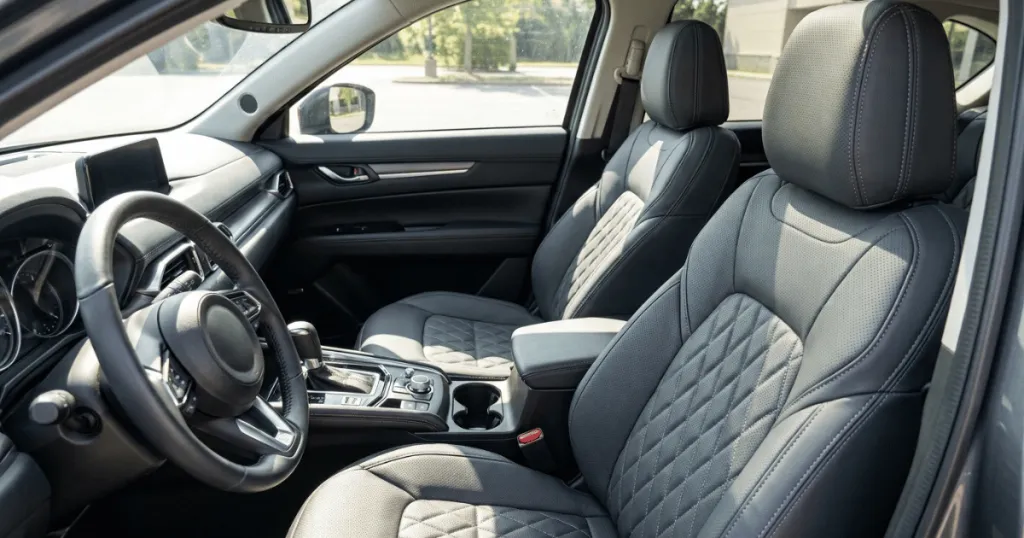
For owners who use their vehicle for both daily commuting and transporting pets, a balance between comfort and protection is necessary. Faux leather or high-grade vinyl covers are excellent for these situations because they provide a sleek appearance while remaining highly resistant to pet-related wear. These materials do not require frequent removal and can be kept clean with a simple damp cloth, making them ideal for a versatile, everyday vehicle.
Protecting Your Investment Through Proper Selection
Selecting the right cover involves more than just keeping the interior clean; it is about preserving the resale value of your vehicle. Factory upholstery is expensive to replace, and damage from pets can significantly impact the condition of your cabin. A well-fitted, pet resistant car seat cover serves as a durable shield that absorbs the daily wear and tear that would otherwise ruin your seats.
In practice, this means you should prioritize covers that offer a secure fit. A cover that shifts or bunches up under a pet’s movement is less effective and can lead to friction damage on the seat underneath. Look for designs that include robust anchoring systems, such as seat anchors, straps, or elasticized edges, which keep the cover in place during sharp turns or sudden stops. When the cover stays put, it provides consistent protection and a more comfortable experience for your pet.
Addressing Common Misconceptions About Seat Protection
One common mistake is believing that any waterproof cover is automatically the most durable option. While waterproofing is essential for moisture, it does not guarantee resistance to claw punctures. Some thin, waterproof plastic covers can tear easily under the weight of a large dog, rendering the protection useless. Always evaluate the base material’s strength alongside its water-repellent properties to ensure you are getting a balanced product.
Another frequent error is assuming that a thicker foam padding makes a cover more durable. While padding adds comfort, it does not prevent a pet’s claws from reaching the seat. The durability of a pet resistant car seat cover is determined by the top layer’s ability to withstand friction and penetration. Focus your attention on the surface material’s quality and weave density rather than the thickness of the underlying cushioning, as the surface is the first line of defense against your pet’s activity.
Strategic Maintenance for Long-Term Performance
Even the most rugged seat cover requires consistent attention to maintain its protective properties. Over time, grit and sand can work their way into the fibers of fabric covers, acting like sandpaper against the material and the underlying upholstery. Regular vacuuming is the most effective way to prevent this accumulation. By removing abrasive particles before they are ground into the seat, you extend the life of both the cover and the factory fabric.
When dealing with spills or accidents, immediate action is key. Even if a cover is labeled as waterproof, prolonged exposure to moisture can eventually compromise the seams or the backing. Use an absorbent cloth to blot liquids rather than rubbing, which can force moisture through the stitching. For covers that are removable, periodic deep cleaning according to the manufacturer’s guidelines will help restore the water-repellent finish and keep the material supple.
Evaluating Fitment for Different Seat Configurations
The geometry of your vehicle’s seats plays a significant role in how well a cover performs. Bench seats, common in the rear of many SUVs and trucks, often require a different approach than individual bucket seats. For bench configurations, look for covers that account for the seatbelt buckles and center armrests, as these are common failure points where fur and dirt can migrate to the original upholstery. A cover that fits snugly around these features provides a more complete barrier.
For captain’s chairs or bucket seats, ensure the cover allows for proper adjustment of the headrest and seat recline. If a cover is too tight, it can pull against the seams during seat adjustments, leading to premature tearing. Conversely, a cover that is too loose will create folds and wrinkles that are uncomfortable for passengers and provide less effective protection against claws. Taking the time to properly secure all straps and anchors is the final, most critical step in ensuring your pet resistant car seat cover functions as intended.
FAQ
Can a pet resistant car seat cover be machine washed?
Many synthetic covers are machine washable, but you must check the manufacturer’s specific care instructions. Some covers with heavy rubberized backings or specialized coatings may degrade if machine washed, requiring hand washing or spot cleaning instead.
Do I need a custom-fit cover for better pet protection?
While universal covers are available, a custom-fit or semi-custom-fit cover often provides superior protection because it covers more of the seat’s surface area and stays securely in place, preventing gaps where dirt or fur can accumulate.
Are leather or faux leather covers better for pets?
Faux leather is often preferred for pets because it is non-porous, easy to wipe clean, and does not trap fur. Genuine leather can be scratched easily by claws and may require more intensive maintenance to keep it hydrated and protected from pet-related wear.