Selecting a blue car seat cover for your vehicle is a design choice that significantly alters the cabin’s atmosphere. Whether you are aiming for a subtle navy tone to match a professional interior or a vibrant electric blue to express personality, the color choice impacts how the vehicle feels during daily commutes. Beyond the visual appeal, the material and fit determine how well the cover handles the realities of passenger use.
Integrating a new color into your car’s interior requires balancing personal preference with the practical limitations of your existing upholstery. A well-chosen cover can refresh a worn-out seat or protect factory fabric from spills and debris. By focusing on the interplay between color, material performance, and seat geometry, you can select an option that enhances your driving environment while maintaining long-term utility.
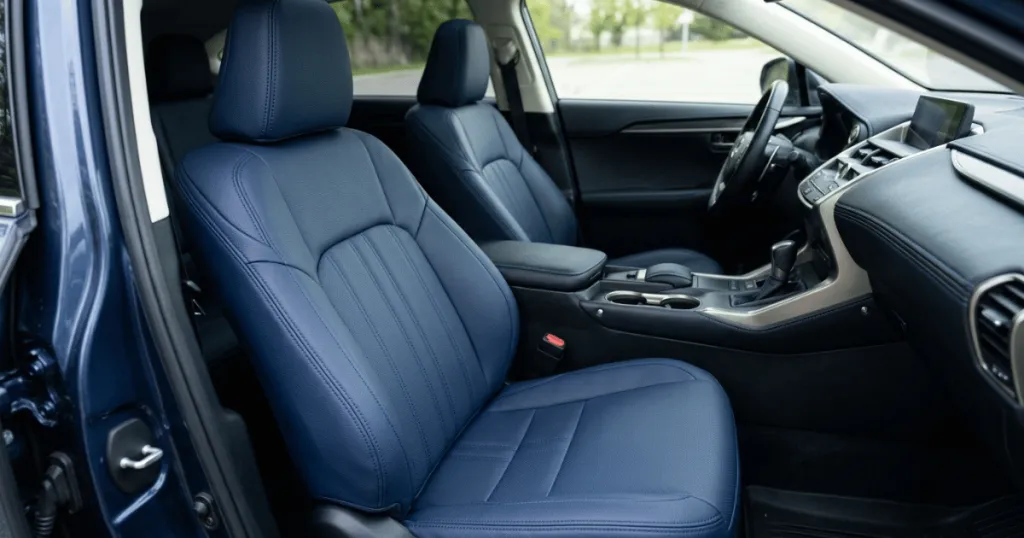
Factors Influencing Your Choice of a Blue Car Seat Cover
The decision to install a blue car seat cover involves more than just picking a shade. You must consider how the material interacts with your specific climate and usage patterns. Different fabrics reflect light and trap heat in unique ways, which directly affects passenger comfort during long trips.
Material Performance and Texture
Neoprene seat covers are a popular choice for those seeking a water-resistant layer that feels soft to the touch. In a blue finish, neoprene often maintains a matte appearance that hides minor scuffs well. Because it is a synthetic rubber, it provides a consistent, cushioned feel that works effectively in both hot and cold weather conditions. When evaluating these, consider the thickness of the neoprene, as denser layers offer better impact absorption for the underlying seat foam.
Faux leather seat covers offer a more structured, premium look. A deep navy or royal blue faux leather can elevate the interior aesthetics significantly. However, these materials can become warm in direct sunlight. If you live in a region with intense heat, you might prefer a perforated design that allows for better airflow through the material surface, preventing the “stickiness” often associated with non-porous synthetic materials.
Color Matching and Interior Coordination
When selecting a blue car seat cover, consider the existing dashboard and door panel colors. A dark navy often pairs seamlessly with black or grey interiors, acting as a sophisticated accent rather than a jarring contrast. Lighter blues, such as sky or powder blue, tend to stand out more and can make a small cabin feel brighter or more spacious. It is helpful to visualize the blue shade against your current interior upholstery to ensure the undertones, whether cool or warm, complement the existing palette.
Consider how the blue tone will age over time. Darker shades are generally more forgiving regarding dirt and stains, which is a practical advantage for families or pet owners. Lighter tones may require more frequent spot cleaning to maintain their original vibrancy, especially in high-traffic vehicles used for daily errands. Over time, exposure to sunlight can shift the perceived hue, so selecting fabrics treated with UV-stabilizing agents is vital to preserve the richness of the blue car seat cover.
Real-World Context for Seat Cover Usage
The daily environment of your car dictates the type of cover that will perform best. A vehicle used primarily for off-road excursions or heavy-duty work requires a different approach than a commuter car used for light, personal travel.
Daily Commuting and Passenger Comfort
For the average commuter, comfort is the primary metric. Breathable car seat material like polyester blends or canvas are excellent for long periods of sitting. These materials do not stick to the skin in the same way that vinyl or non-perforated leather might. A blue canvas cover provides a rugged, textured look that is both durable and comfortable for daily use. When selecting these, look for reinforced seams, as these areas are the first to experience stress during ingress and egress.
Family and Pet Considerations
If your back seats frequently host children or pets, durability is non-negotiable. Look for heavy-duty, tightly woven fabrics that resist claw marks and liquid penetration. A blue car seat cover in a heavy-denier polyester or ballistic nylon can withstand significant wear while remaining easy to vacuum or wipe down after a trip to the park. These durable seat protectors are designed to act as a barrier, preventing pet hair and moisture from reaching the factory seat foam, which is difficult to clean once contaminated.
Practical Benefits of Selecting the Right Finish
Choosing the correct finish for your blue car seat cover can change the entire utility of your vehicle’s interior. The finish refers to how the material is treated, stitched, or textured, and it plays a major role in both longevity and ease of maintenance.
Quilted and Diamond-Stitched Designs
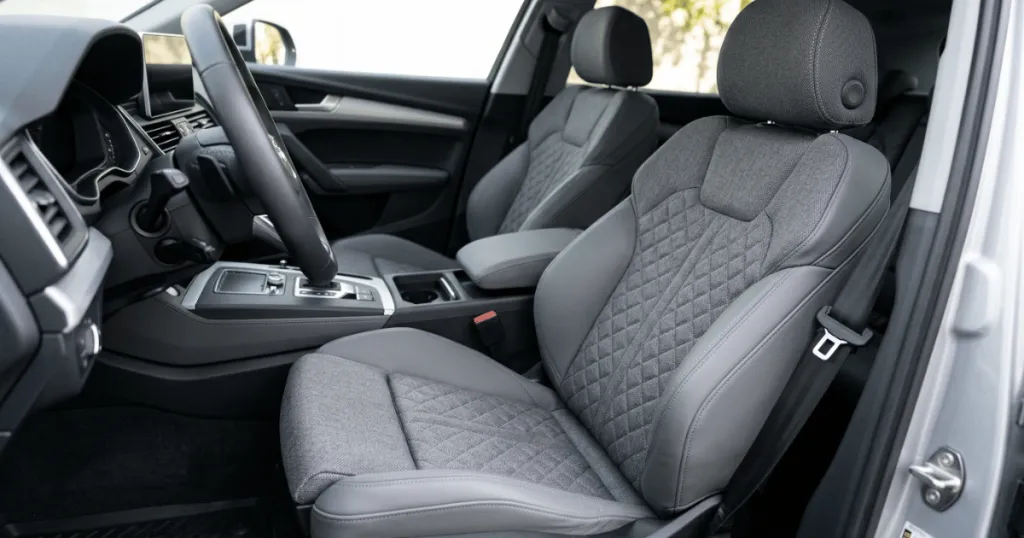
Quilted patterns add a layer of padding that increases comfort on long drives. When rendered in blue, diamond-stitch patterns often feature contrasting thread colors, such as white or silver, which highlight the design. This finish is particularly effective at disguising minor wrinkles or stretching that can occur in the material over time. The added loft from the quilting can also provide a slight buffer against the hard surfaces of the seat frame.
Smooth and Minimalist Finishes
A smooth, untextured finish provides a sleek, modern look that is very easy to clean. Because there are no deep grooves or stitching patterns for debris to collect in, a quick wipe with a damp cloth is usually sufficient to remove dust. This style is ideal for those who prioritize a clean, uncluttered aesthetic above all else. In a vibrant blue, a smooth finish can act as a bold focal point for the vehicle cabin.
Evaluating Color Durability and Material Maintenance
Many owners assume that a darker blue car seat cover will naturally last longer than a lighter one. While dark colors are better at hiding surface dirt, the actual lifespan of the cover depends on the UV resistance of the material and the quality of the dye process. High-quality synthetic materials are often treated to resist fading, regardless of the specific shade of blue. It is important to check if the manufacturer specifies UV-treated dyes, as this significantly impacts how the color holds up under the intense sun exposure typical of a vehicle interior.
Another frequent misunderstanding is that waterproof materials are automatically easier to maintain. While waterproof covers prevent liquids from soaking into the seat foam, they can also trap moisture against the seat if the cover is not removed and aired out periodically. To avoid long-term damage, you must periodically remove the covers to clear away any grit or moisture that has settled between the fabric and the original seat upholstery. If you live in a humid climate, breathable materials are often a better choice than fully waterproof ones to prevent mildew buildup.
Finally, some assume that a thicker material is always more durable. While thickness can indicate strength, the fabric weave density and the quality of the backing material are more reliable indicators of how well the cover will hold up to daily friction. A thinner, high-density fabric may perform better than a thick, loose-weave material in high-stress areas like the seat bolsters. Always prioritize the integrity of the weave over the sheer bulk of the material.
Installation and Long-Term Care
When you finally decide on a blue car seat cover, ensure you have checked the specific dimensions of your headrests and seat backs. Even universal-fit covers have limits, and achieving a taut, secure fit is the most effective way to prevent the material from sagging or shifting during use. A cover that is too loose will shift constantly, leading to friction that can damage both the cover and the factory upholstery underneath. By taking the time to secure the straps and clips correctly, you ensure that your chosen blue car seat cover remains stable, comfortable, and visually appealing for years to come.
Maintenance is equally critical. For blue fabrics, avoid harsh chemical cleaners that might strip the dye or cause discoloration. Stick to mild soaps and water, and always test a small, inconspicuous area first. Regular vacuuming is the best way to prevent grit from working its way into the fibers, which acts like sandpaper over time. If your covers are machine-washable, follow the instructions precisely, as heat from a dryer can shrink synthetic materials and ruin the fit.
Understanding Seat Geometry and Fit
The success of your blue car seat cover depends heavily on how well it conforms to your vehicle’s specific seat geometry. Modern vehicle seats feature complex curves and varying depths, particularly around the lumbar support and side bolsters. When shopping, look for covers that feature multi-panel construction rather than a single, flat piece of fabric. Multi-panel designs are better at mimicking the contours of the seat, which reduces the amount of excess material that can bunch up or slide during use.
Pay attention to the attachment points. High-quality covers use a combination of elastic straps, hooks, and sometimes weighted discs that tuck into the seat crevice to hold the cover in place. If your seats have integrated armrests or complex adjustment levers, ensure the cover design accounts for these features. A blue car seat cover that fits like a second skin will not only look better but will also provide superior interior upholstery protection by preventing the cover from sliding against the original seat surface.
FAQ
Do blue car seat covers fade faster than other colors?
Fading depends more on the material’s UV resistance and quality than the color itself. High-quality synthetic fabrics are treated to maintain their color, though any material exposed to direct, intense sunlight over several years may eventually show signs of wear.
Can I use a blue car seat cover in a hot climate?
Yes, provided you choose the right material. Breathable fabrics like canvas or polyester are better for hot weather than non-perforated faux leather, which can trap heat and become uncomfortable during the summer.
How do I keep a blue car seat cover clean?
Regular maintenance involves vacuuming to remove loose debris and spot-cleaning with a mild soap solution. Always check the manufacturer’s specific care instructions, as some materials may require different cleaning agents to avoid damaging the dye or texture.