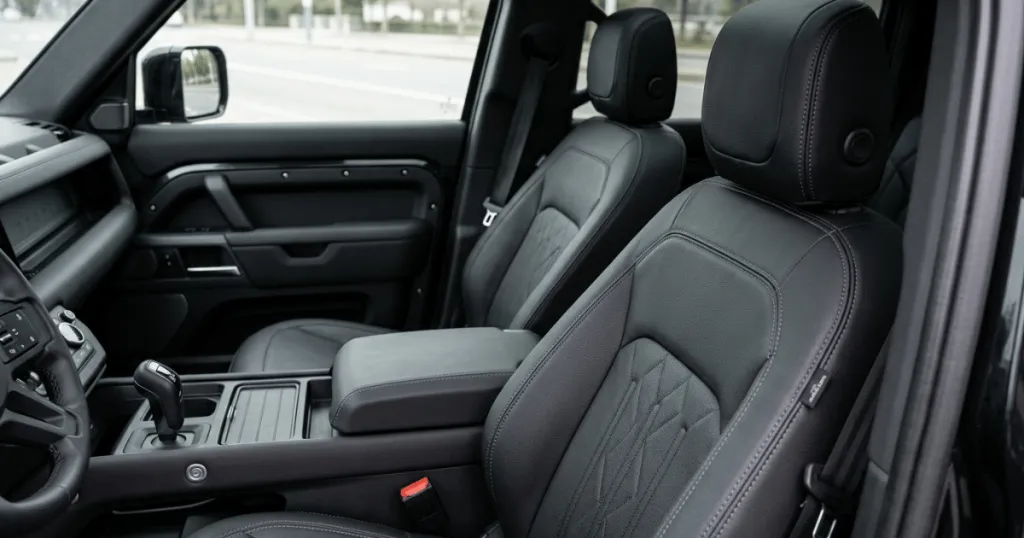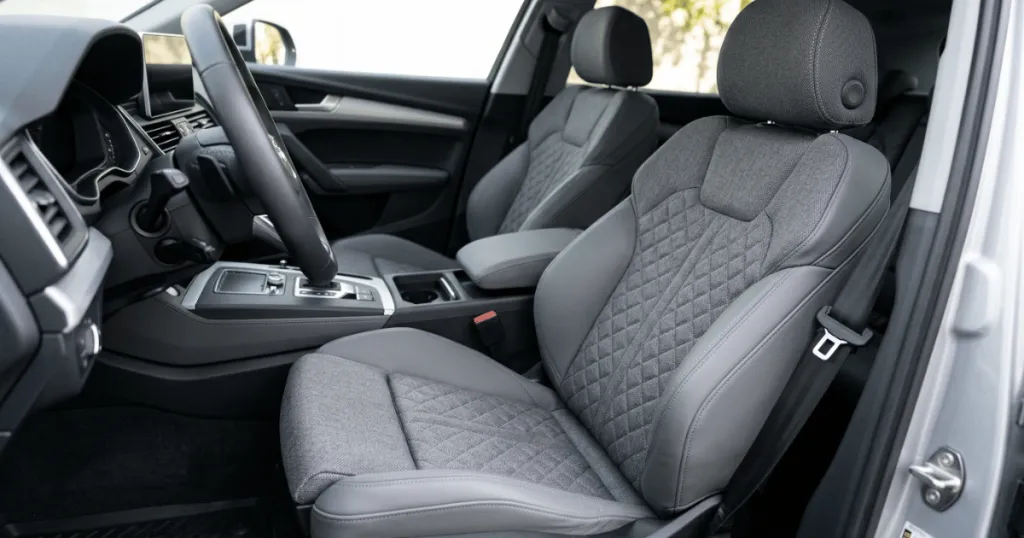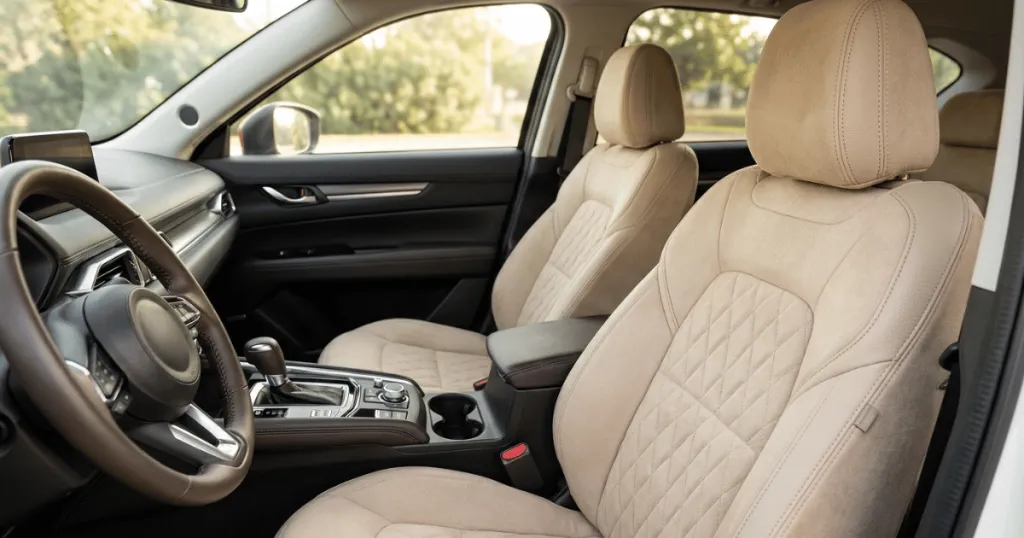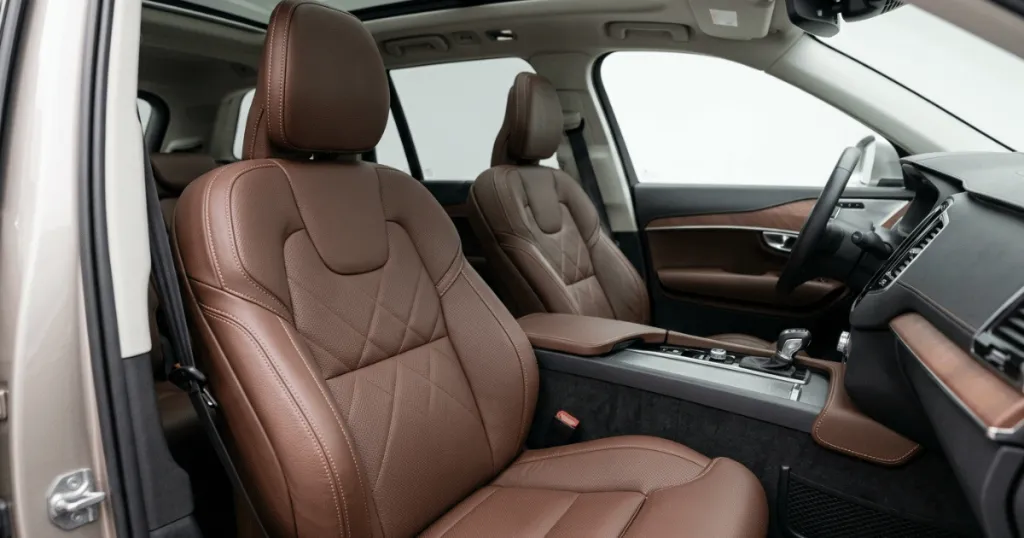
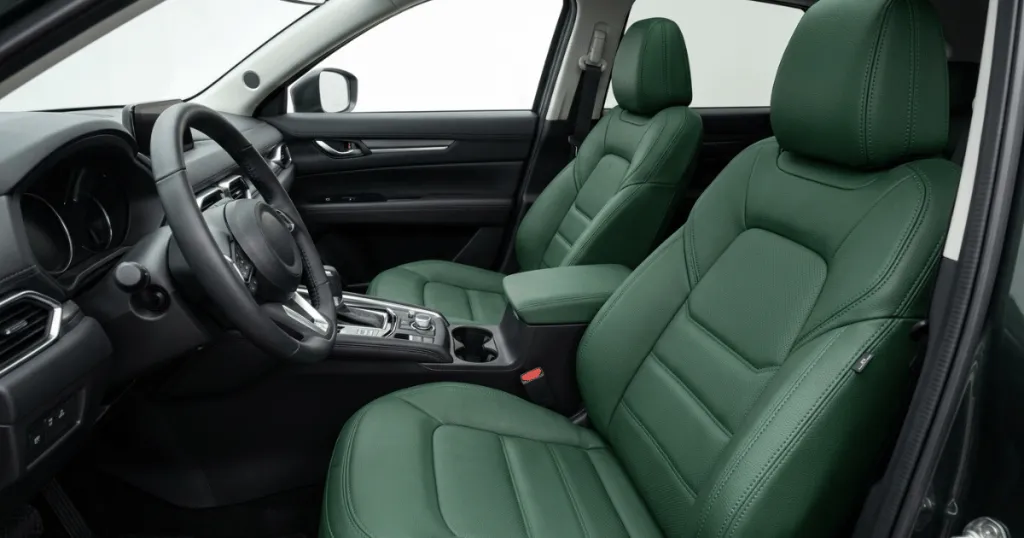
Integrating a green car seat cover into your vehicle’s cabin is a deliberate design choice that shifts the interior atmosphere from standard factory neutral to something more personalized. Whether you are aiming for a subtle, earthy aesthetic or a bold, vibrant contrast, the shade and material of the cover play a significant role in how the final look settles within the existing dashboard and trim.
Beyond the visual appeal, selecting the right tone of green requires balancing your vehicle’s current color palette with the practical demands of daily use. A well-chosen cover can revitalize an aging interior, but it must be compatible with the seat’s physical dimensions and your specific lifestyle needs to remain a functional upgrade rather than just a temporary aesthetic change.
Design Factors and Color Coordination
When incorporating a green car seat cover, the primary challenge lies in matching the shade to the vehicle’s existing interior plastics, carpets, and headliners. Green is a versatile color, but it spans a wide spectrum from muted olive and sage to deep forest tones and bright, energetic lime.
The Impact of Muted and Earthy Tones
Muted shades like sage, olive, or moss are generally the most forgiving in automotive environments. These colors tend to harmonize well with common interior colors such as tan, beige, grey, or black. Because they are less saturated, they are less likely to clash with the specific undertones of your dashboard or door panels. In practice, choosing an earth-toned cover often results in a more cohesive, professional look that feels like an intentional design choice rather than an aftermarket add-on.
Vibrant and High-Contrast Options
Brighter greens, such as neon or lime, create a high-contrast environment that draws immediate attention. These colors are frequently used in sport-oriented interiors or to make a bold statement. However, they require careful planning. If your vehicle has a busy interior with many textures or conflicting accent colors, a bright green cover can quickly make the cabin feel cluttered. When opting for these shades, it is often better to limit them to specific panels or stitching details rather than covering the entire seat surface.
Material Performance and Daily Usage
The material of your green car seat cover dictates not only the look but also the longevity and comfort of the seat. Different materials interact with color pigments differently, affecting how the green hue appears under sunlight and how it holds up to regular wear.
Synthetic Fabrics and Neoprene
Synthetic fabrics and neoprene are popular choices for those who prioritize durability and ease of cleaning. Neoprene, in particular, is highly resistant to water and moisture, making it a practical choice for outdoor enthusiasts or those who frequently transport pets. In terms of color, these materials hold dyes well, meaning your green car seat cover will likely retain its vibrancy even after exposure to direct sunlight over several seasons.
Faux Leather and Vegan Alternatives
Faux leather or PU (polyurethane) materials offer a more premium, structured appearance compared to fabric. A green faux leather cover can provide a sophisticated look, especially in darker forest or emerald tones. These materials are generally smooth and easy to wipe down, though they can become warmer in direct sunlight compared to breathable fabrics. If you choose a lighter shade of green in a faux leather material, be aware that it may show dirt or dye transfer from clothing more readily than a darker, textured fabric.
Real-World Context for Interior Upgrades
The decision to install a green car seat cover often comes down to how the vehicle is used on a day-to-day basis. A daily commuter has different needs than a vehicle used primarily for weekend off-road trips or family transport.
Commuter and Daily Driver Scenarios
For a daily driver, comfort and ease of maintenance are paramount. A breathable fabric cover in a subtle green tone can help regulate temperature during long commutes while adding a touch of personality to the cabin. Because these covers are used daily, you should prioritize materials that are machine washable or easy to spot-clean, as you will likely deal with coffee spills or general dust accumulation over time.
Off-Road and Heavy-Duty Usage
If your vehicle sees heavy use, such as camping trips or muddy off-road excursions, the priority shifts to protection. A rugged, heavy-duty canvas or high-denier polyester cover in a dark olive or camouflage-green pattern is ideal. These materials are designed to withstand abrasion and can be easily hosed off or scrubbed. In this context, the green color serves a dual purpose: it looks appropriate for the rugged aesthetic while effectively masking dirt and mud that would be immediately visible on lighter-colored seats.
Why Color Choice Impacts Interior Longevity
Selecting a specific hue for your upholstery is a strategic move that dictates how well your interior hides daily wear and tear over the long term. Darker greens, such as forest or hunter green, are excellent at hiding minor stains, wear patterns, and fading. This makes them a reliable choice for high-traffic vehicles where you want the interior to look clean without constant maintenance.
Conversely, lighter or more vibrant greens can be more demanding. They tend to highlight dust, lint, and potential color transfer from denim or other dark clothing. If you decide to go with a lighter shade, you must be prepared to clean the covers more frequently to maintain that crisp, intentional look. Ultimately, the best choice is one that balances your desire for a specific aesthetic with the reality of how often you are willing to perform interior maintenance. A cover that looks great but requires daily scrubbing to stay that way may eventually become a source of frustration rather than a point of pride.
Clearing Up Common Misconceptions
A frequent misunderstanding is that all green materials will fade at the same rate when exposed to UV light. In reality, the quality of the dye and the base material are the primary factors in color retention. High-quality synthetic fabrics often feature UV-resistant treatments that help them maintain their color even in vehicles that spend most of their time parked outdoors. If you live in a climate with intense sun, look for materials specifically noted for UV stability rather than assuming all green covers will perform equally.
Another common mistake is assuming that a green car seat cover will completely transform the feel of the cabin regardless of the existing seat shape. While a cover can change the color and texture, it cannot change the underlying ergonomics of the seat. If your seats are uncomfortable or lack support, a cover will not fix that. Focus on ensuring the cover fits snugly to avoid bunching, which can be more noticeable with certain colors and materials, and prioritize the structural integrity of your factory seats before adding any decorative layers.
Strategic Considerations for Long-Term Interior Aesthetics
When selecting a green car seat cover, it is essential to consider the long-term interaction between the cover and the vehicle’s original upholstery. Over time, friction between the underside of the cover and the factory fabric or leather can cause wear. For vehicles with delicate original interiors, look for covers that feature a non-slip, soft-touch backing. This layer acts as a buffer, protecting the original seat from abrasion while keeping the material taut and preventing unwanted shifting during entry and exit.
Furthermore, consider the seasonal implications of your choice. In regions with extreme temperature fluctuations, the thermal properties of the material become critical. A dark green faux leather cover may absorb significant heat during summer months, potentially becoming uncomfortable to sit on if the vehicle is parked in direct sunlight. Conversely, a lighter sage green fabric might remain cooler but could be more susceptible to showing signs of wear or staining over time. Balancing these factors requires a realistic assessment of your local climate and your parking habits.
Maintenance Protocols for Colored Textiles
Maintaining the appearance of a green car seat cover involves more than just occasional vacuuming. Different shades of green react differently to cleaning agents. Before applying any cleaner to the entire surface, always perform a spot test in an inconspicuous area to ensure the dye does not bleed or fade. For synthetic fabrics, a mild detergent solution is usually sufficient for removing surface grime. Avoid harsh chemicals that can strip the protective coatings or alter the color intensity.
For those utilizing canvas or heavy-duty polyester, deep cleaning may involve removing the covers entirely for a more thorough wash. Always follow the manufacturer’s care instructions regarding water temperature and drying methods. High heat, whether from a dryer or a hot iron, can compromise the structural integrity of the material and lead to shrinkage, which would ruin the fit of the cover. By adhering to a consistent maintenance schedule, you ensure that your chosen green aesthetic remains vibrant and professional for the life of the vehicle.
FAQ
Will a green car seat cover fade quickly in the sun?
Resistance to fading depends on the material quality and UV-treatment rather than the color itself. Synthetic fabrics with UV-resistant coatings generally hold their green hue longer than untreated materials, regardless of whether the shade is light or dark.
Are dark green seat covers easier to keep clean than lighter shades?
Yes, darker shades like forest or olive green are generally better at masking minor dust, lint, and stains compared to lighter, more vibrant greens, making them a practical choice for high-traffic vehicles.
Can I use a green car seat cover in a luxury vehicle?
Yes, choosing a sophisticated, deep green tone in a high-quality material like faux leather can complement a luxury interior, provided the shade coordinates well with the existing dashboard and trim colors.