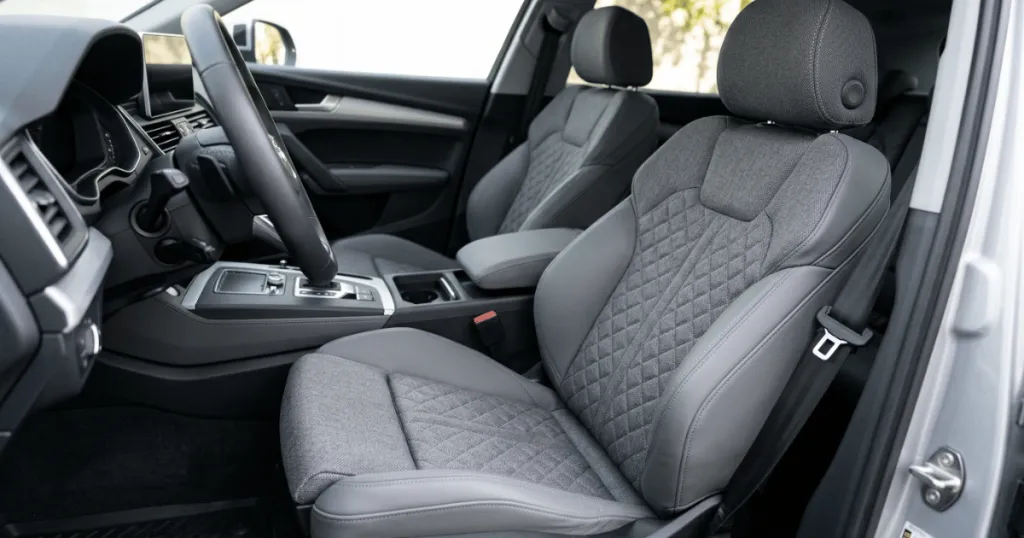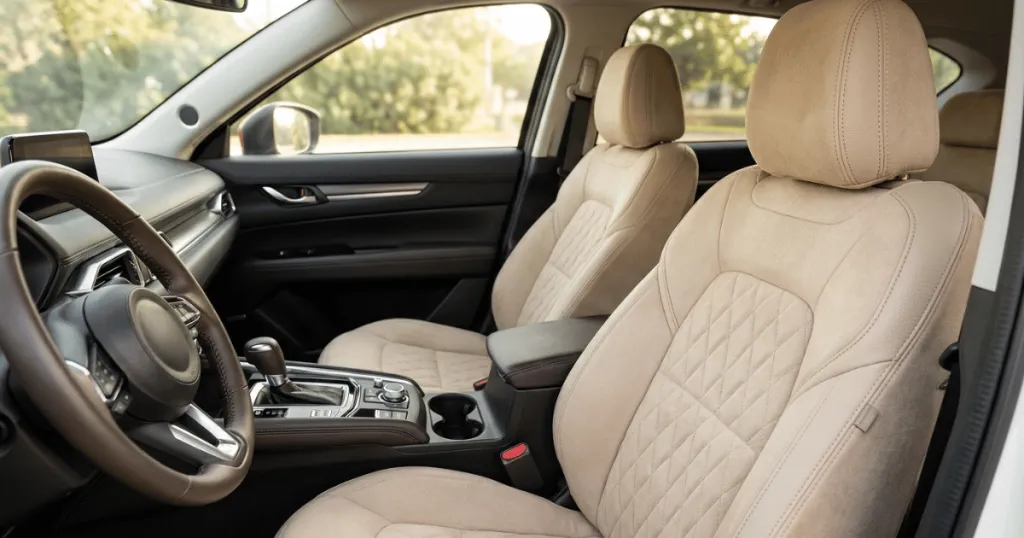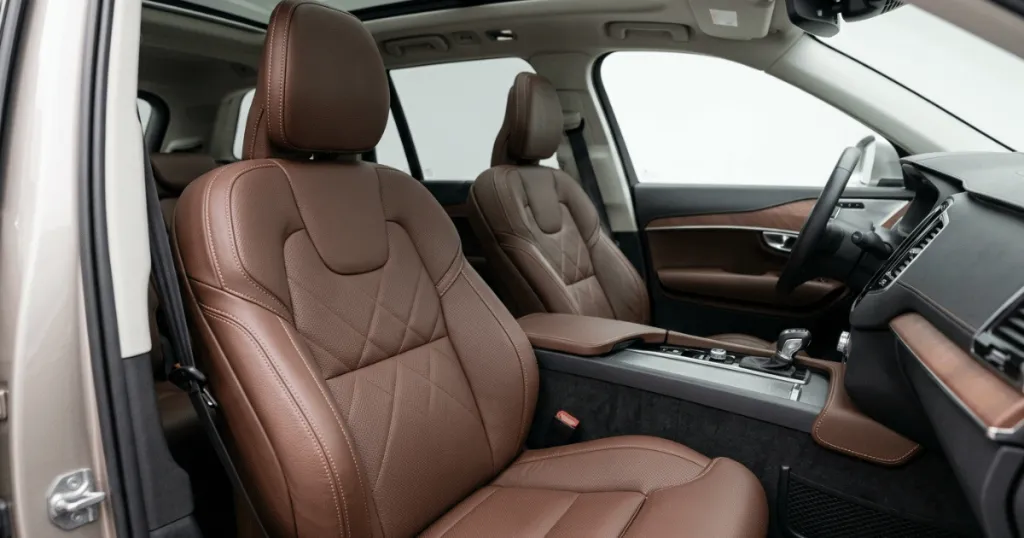
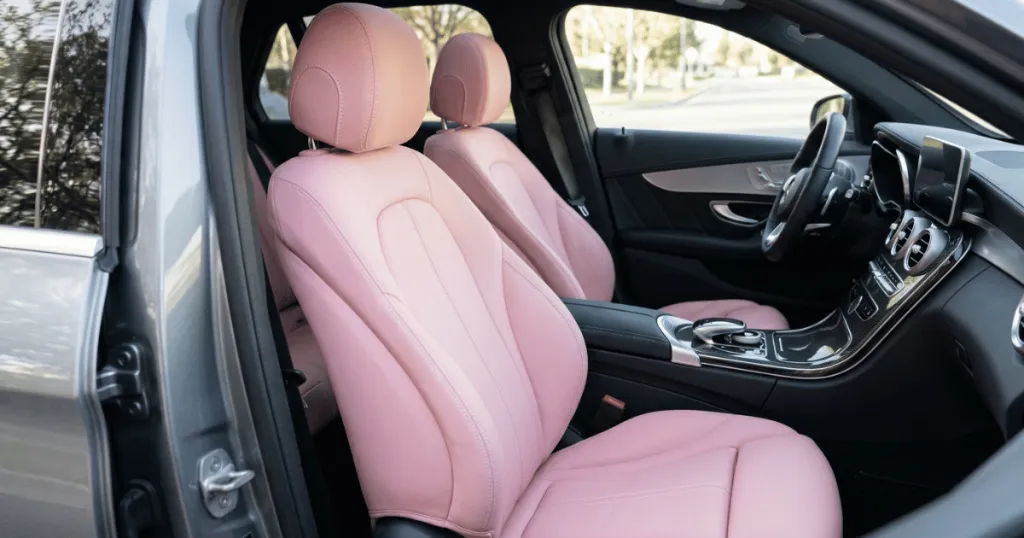
Adding a pink car seat cover to your vehicle is a straightforward way to personalize your cabin, whether you want a subtle blush tone or a bold, vibrant aesthetic. Beyond the visual impact, these covers serve the same functional purpose as any other upholstery protection, shielding your original seats from daily wear, spills, and sun exposure. When selecting a shade and texture, consider how the color interacts with your existing dashboard and door panel materials to create a cohesive look rather than a jarring contrast.
The market for these accessories ranges from soft, pastel fabric options to high-gloss synthetic leather finishes. Because the color is highly visible, the quality of the material and the precision of the fit become even more important than with neutral-colored covers. A well-fitted piece ensures the color remains consistent across the entire seating surface without bunching or shifting during entry and exit.
Factors Influencing Your Choice of Seat Protection
Selecting the right cover involves balancing your aesthetic goals with the practical realities of how your vehicle is used. A pink car seat cover can be a beautiful addition, but its longevity depends heavily on the material composition and the specific environment it faces daily.
Material Durability and Color Retention
Synthetic fabrics like polyester or nylon blends are common for lighter pink shades, offering good resistance to fading if treated with UV-protective sprays. These materials are generally breathable, which is helpful in warmer climates where dark or heavy materials might trap heat. If you prefer a leather-like appearance, look for high-grade polyurethane (PU) or vegan leather options. These provide a smooth, wipeable surface that is excellent for managing spills, though you should be aware that lighter pink synthetic leathers can show dye transfer from denim or dark clothing over time.
Texture and Design Finishes
The finish of the cover changes how the color is perceived. A quilted or diamond-stitch pattern adds depth to a solid pink surface, breaking up the color and providing a more luxurious, textured feel. Smooth, matte finishes tend to look more modern and minimalist, while plush or faux-fur textures offer a cozy, tactile experience. Consider the contrast between your interior plastics and the chosen texture; a glossy pink finish might highlight dust or lint more than a matte fabric, so think about your cleaning habits before settling on a specific surface type.
Real-World Context for Interior Styling
Integrating a pink car seat cover into a vehicle requires thinking about the existing color palette of your cabin. Most vehicle interiors are shades of black, gray, or beige, which act as a neutral backdrop. A vibrant, hot pink cover creates a high-contrast look that acts as a focal point, while a dusty rose or pastel pink offers a more muted, sophisticated integration that feels intentional and soft.
Usage scenarios dictate how much maintenance you will need to perform. If you frequently transport pets, a heavy-duty canvas-style fabric in a darker pink shade will hide dirt better than a light pastel fabric. For rideshare or commercial use, durability is the priority; you want a material that can withstand constant friction without the color wearing thin at the seams. In these high-traffic situations, prioritize materials with reinforced stitching, as the color of the thread can also be a design element that complements the main pink fabric.
Ensuring Long-Term Visual Appeal
Keeping your pink car seat cover looking vibrant requires proactive protection against environmental stressors. Sunlight is the primary enemy of bright colors; over time, intense UV exposure can cause pink dyes to shift toward orange or fade into a washed-out tone. Parking in a garage or using window sunshades when the vehicle is parked for long periods can significantly extend the life of the vibrant color.
Cleaning methods should be tailored to the specific material. For fabric-based covers, a gentle upholstery cleaner and a soft-bristled brush are usually sufficient to remove surface dirt. Avoid harsh chemical cleaners, as these can strip the pigment from the fabric or damage the protective coating on synthetic leather. If you have a spill, blot it immediately rather than rubbing it, as rubbing can push the liquid deeper into the fibers or cause the pigment to bleed. Regular vacuuming is also essential, as grit and debris act like sandpaper, wearing down the surface of the material and making the color look dull and aged prematurely.
Why Uniformity Enhances Your Interior Design
A pink car seat cover is a significant visual statement, and its impact on your daily driving experience should not be underestimated. When the color is consistent and the fit is tight, the interior feels customized and cared for. Conversely, a loose-fitting cover that shifts every time you move can make the cabin feel cluttered and disorganized. The goal is to achieve a look that feels like a natural extension of your personal style while maintaining the structural integrity of the seat underneath.
By choosing a material that matches your actual usage, whether that is daily commuting, family transport, or occasional weekend trips, you ensure that the aesthetic choice remains functional. A pink car seat cover that is difficult to clean or prone to rapid fading will quickly become a source of frustration rather than enjoyment. Investing time in evaluating the material and fit before installation ensures that your choice adds value to your vehicle’s interior for years to come.
Strategic Considerations for Seat Cover Installation
Achieving a smooth, secure fit is the most effective way to ensure both long-term comfort and a polished look. When installing a pink car seat cover, the tension applied during the process dictates how the fabric sits across the seat contour. If the cover is too loose, the pink material will wrinkle, which can make the color appear uneven due to shadows and light refraction. Always ensure that the attachment points, such as hooks, straps, or elastic loops, are secured firmly beneath the seat frame. For bucket seats, pay close attention to the transition between the backrest and the seat cushion; a clean, taut seam here prevents the cover from shifting when you sit down or stand up.
Furthermore, consider the headrest cover. Many kits include matching pink headrest covers. Installing these correctly is vital for a cohesive look. If the headrest cover is misaligned, it disrupts the flow of the color from the seat base to the top of the chair. Take the time to adjust the headrest height after the cover is installed to ensure the fabric is pulled tight against the headrest foam. This attention to detail transforms a simple accessory into a professional-looking interior upgrade.
Managing Environmental and Usage-Based Wear
Beyond standard cleaning, you must account for the specific environmental stressors that pink materials face. Because pink is often a lighter or more saturated pigment, it is susceptible to showing environmental pollutants. In urban environments, dust and soot can settle on the fabric, dulling the brightness of the pink tone. Regular, light maintenance is far more effective than deep cleaning once the color has already been compromised. Using a vacuum with a soft brush attachment once a week prevents particulate matter from embedding itself into the weave of the fabric or the grain of the synthetic leather.
In terms of usage, consider the impact of clothing. Dark denim is notorious for dye transfer, which can leave blue or black streaks on light pink surfaces. If you wear dark jeans frequently, you might consider a protective spray designed for upholstery, which creates a barrier between the fabric and your clothing. While no spray is 100% effective, it can significantly reduce the rate at which dye transfer occurs, keeping your pink car seat cover looking fresh for longer. If you notice a faint discoloration, address it immediately with a mild soap solution rather than waiting for it to set, as pigments in clothing can bond with synthetic materials over time.
Balancing Comfort and Aesthetics
While the primary goal of a pink car seat cover is often visual, the tactile experience is equally important. A cover that looks great but feels abrasive will detract from your driving comfort. When researching materials, look for descriptions of the backing. A foam-backed cover provides a layer of cushioning that can make a worn-out seat feel more supportive. This is particularly beneficial for long commutes where you need extra comfort. The combination of a soft, quilted pink exterior and a supportive foam backing creates a premium feel that enhances the overall quality of your vehicle’s cabin.
Additionally, consider the breathability of the material. In hot climates, solid synthetic leather can become sticky. If you live in an area with high temperatures, look for perforated synthetic leather or a hybrid design that features breathable fabric panels in the center of the seat. These design choices allow for better airflow, keeping you comfortable while maintaining the desired pink aesthetic. By prioritizing both the look and the physical feel of the seat cover, you ensure that your interior modification serves your needs on every level, from style to daily utility.
FAQ
Will a pink car seat cover fade quickly in the sun?
Like any colored fabric, a pink car seat cover can fade if exposed to direct, intense UV light for extended periods. Choosing materials with UV-resistant coatings and using window sunshades when parked can help maintain the color vibrancy.
Are light-colored pink seat covers hard to keep clean?
Light-colored covers, including pink, tend to show dirt, pet hair, and dye transfer from clothing more readily than darker colors. If your vehicle sees heavy use, consider a material that is easy to wipe down, such as high-quality synthetic leather, or a darker shade of pink.
Can I use a pink car seat cover on any type of seat?
Most universal-fit covers are designed to accommodate standard bucket seats with adjustable headrests. However, you should always check the specific dimensions of your seats against the cover’s specifications to ensure a proper fit, especially if your seats have non-standard shapes or integrated armrests.