Adding a purple car seat cover to your vehicle is a distinct way to personalize your interior space. Whether you are aiming for a subtle deep plum accent or a vibrant violet statement, these covers serve as both a protective layer for your factory upholstery and a primary design element. Evaluating the right shade and material requires balancing your aesthetic goals with the practical realities of daily vehicle use, such as sun exposure, passenger traffic, and ease of cleaning.
Beyond the visual appeal, the effectiveness of your choice depends on how well the material integrates with your existing seating configuration. From bucket seats to bench styles, a well-fitted cover can transform the cabin’s atmosphere while shielding the original fabric or leather from premature wear. This guide explores the factors that influence your selection and how to keep your chosen interior upgrade looking its best over time.
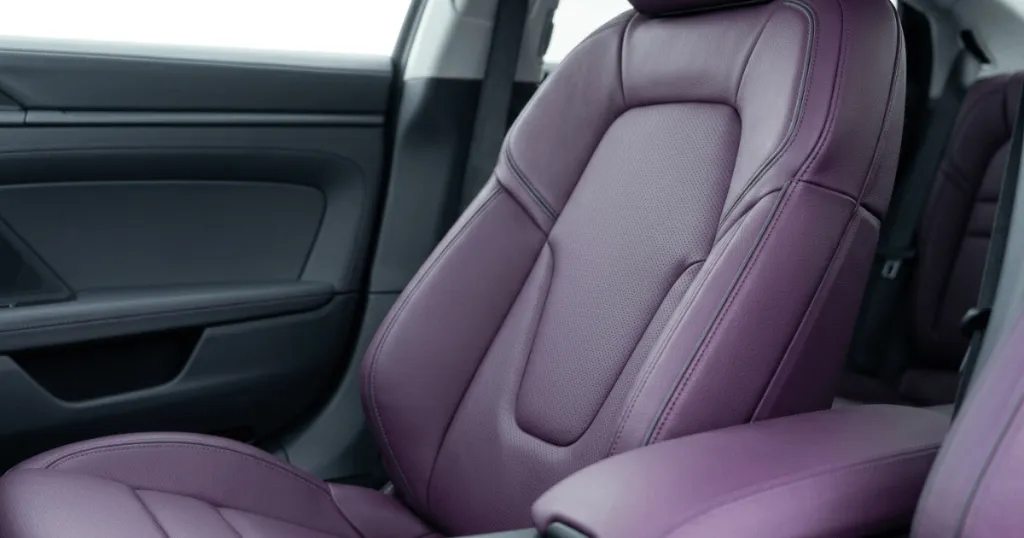
Factors Influencing Your Choice of a Purple Car Seat Cover
Selecting the right cover involves more than just picking a color. You must consider how the material interacts with your local climate and your specific usage patterns. A vibrant purple finish can fade under intense UV exposure if the material lacks proper treatment, while darker shades might show dust and debris more clearly than lighter ones.
Material Durability and Texture
Synthetic fabrics like neoprene are popular for those who prioritize water resistance and a snug, sport-oriented fit. These materials often hold color well, ensuring that your purple car seat cover maintains its saturation even after repeated cleaning cycles. In contrast, faux leather options offer a more refined, luxury aesthetic with a smooth texture that is easy to wipe down, though they may feel warmer in direct sunlight.
Color Depth and Interior Coordination
The intensity of the purple you select significantly impacts the cabin’s overall feel. Deep, royal purple tones often complement dark gray or black interiors, providing a sophisticated contrast without overwhelming the space. Lighter, lavender or lilac shades can brighten a dark cabin but may require more frequent spot cleaning to prevent visible staining from daily use.
Real-World Context for Interior Styling
When integrating a purple car seat cover into your vehicle, consider the existing color palette of your dashboard, door panels, and carpeting. A common mistake is choosing a shade that clashes with the vehicle’s secondary trim colors, such as tan or beige, which can make the interior feel disjointed. Instead, look for complementary tones that tie the seat cover into the broader design scheme.
Managing High-Traffic Seating
If your vehicle serves as a family transport or a daily commuter, the seat covers will face significant friction. In these scenarios, prioritize materials with high abrasion resistance, such as heavy-duty polyester or reinforced canvas. These fabrics are less prone to pilling and can withstand the constant movement of passengers, helping to keep the purple dye consistent across the entire seating area.
Climate Considerations
Vehicle interiors can reach extreme temperatures, especially in summer. If you live in a region with high heat, avoid materials that absorb and retain thermal energy, such as thick, non-breathable vinyl. Opt for breathable fabrics or mesh-backed designs that allow for better airflow, keeping the surface comfortable to the touch even after the vehicle has been parked in the sun.
Practical Maintenance for Lasting Appearance
Keeping your covers looking fresh requires a consistent care routine to prevent minor debris or spills from becoming permanent stains that degrade the material quality.
Routine Cleaning Procedures
For most fabric-based covers, a weekly vacuuming session is sufficient to remove loose debris that can grind into the fibers over time. If you encounter a spill, address it immediately by blotting the area with a damp cloth and a mild, color-safe upholstery cleaner. Avoid harsh chemical agents, as they can cause the purple pigment to bleed or fade prematurely.
Addressing Sun-Induced Fading
UV radiation is the primary enemy of interior aesthetics. If your vehicle is frequently parked outdoors, consider using window shades to reduce direct sunlight hitting the seats. Some high-quality covers come with UV-resistant coatings, but consistent exposure will eventually affect any material. If you notice the color beginning to shift or lighten, it is a sign that the protective finish is wearing thin.
Material Selection and Structural Longevity
The longevity of your interior upgrade is directly tied to the material’s structural integrity. A purple car seat cover made from thin, low-density fabric may look appealing initially, but it will likely lose its shape and color depth within a few months of regular use. Investing in a thicker, high-quality material ensures that the cover remains taut against the seat, preventing the bunching and sliding that often leads to premature tearing.
Furthermore, the way the cover is constructed, specifically the quality of the seams and the attachment points, dictates how well it handles the stress of entry and exit. A well-constructed cover will distribute tension evenly across the seat, preventing localized stress points that could cause the fabric to fray. By focusing on these structural details rather than just the color, you ensure that your purple car seat cover remains a functional and stylish part of your vehicle for years to come.
Advanced Considerations for Seat Cover Fitment
Achieving a professional look requires more than just selecting the right hue; it demands attention to the specific geometry of your vehicle’s seating. Whether you are dealing with captain’s chairs, split-bench rear seats, or standard bucket seats, the way a purple cover contours to these shapes determines the overall aesthetic success. Poorly fitted covers often bunch at the bolsters or sag in the lumbar region, which not only looks unkempt but can also accelerate wear due to uneven tension distribution.
When installing, prioritize covers that utilize multi-point attachment systems. These systems, often involving hooks, straps, or tuck-in discs, help anchor the material firmly against the factory upholstery. For those with complex seat designs, such as those with integrated headrests or adjustable armrests, look for covers specifically designed to accommodate these features without requiring permanent modification. A clean, taut fit ensures that the purple color remains consistent across the entire surface, avoiding the distorted look that occurs when fabric is pulled too tightly in one area and left loose in another.
The Role of Texture in Visual Depth
Beyond the shade of purple, the texture of the material plays a pivotal role in how the color is perceived. A matte, canvas-style fabric will absorb light, resulting in a muted, understated appearance that works well in rugged or off-road vehicle environments. Conversely, a smooth, faux leather or vinyl finish will reflect light, creating highlights and shadows that emphasize the contours of the seat. This reflective quality can make a purple cover appear more dynamic and luxurious, especially in vehicles with high-end interior trim.
For those seeking a middle ground, quilted or diamond-stitched patterns can add a layer of visual complexity. The stitching itself, if done in a contrasting color like white or silver, can break up the expanse of purple, preventing the interior from feeling too monochromatic. This design choice is particularly effective for larger vehicles where a solid block of color might otherwise dominate the cabin. By considering how texture and pattern interact with your purple color choice, you can create a more balanced and intentional interior design.
Seasonal Transitions and Storage
If you choose to swap your seat covers based on the season, perhaps opting for a heavy-duty, dark purple canvas in the winter and a lighter, more breathable fabric in the summer, careful storage is essential. When not in use, seat covers should be cleaned, dried completely, and kept in a cool, dry place away from direct sunlight. Folding them tightly can create permanent creases in materials like faux leather, so it is often better to roll them loosely or lay them flat if space permits.
During the transition periods, inspect the attachment hardware for signs of fatigue. Over time, elastic straps can lose their elasticity, and plastic clips can become brittle. Replacing these small components as needed is a simple form of preventative maintenance that ensures your covers continue to provide the necessary protection and aesthetic appeal. By treating your seat covers as a modular component of your vehicle’s interior rather than a permanent installation, you can maintain their condition for much longer, allowing you to enjoy the vibrant purple aesthetic for many years.
FAQ
Will a purple car seat cover fade in the sun?
Most materials will eventually show signs of fading if exposed to direct, intense UV light for extended periods. Choosing a high-quality, UV-treated material and using sunshades can significantly extend the life and color vibrancy of your purple car seat cover.
Can I wash my seat covers in a machine?
This depends entirely on the manufacturer’s instructions. While some fabric covers are machine-washable, many others, especially those with faux leather or foam backing, must be spot-cleaned by hand to prevent damage to the material structure.
Does the shade of purple affect maintenance needs?
Yes, lighter shades of purple tend to show dirt, oil, and stains more readily than darker, deeper shades. If you choose a lighter color, be prepared to perform spot cleaning more frequently to maintain a clean appearance.