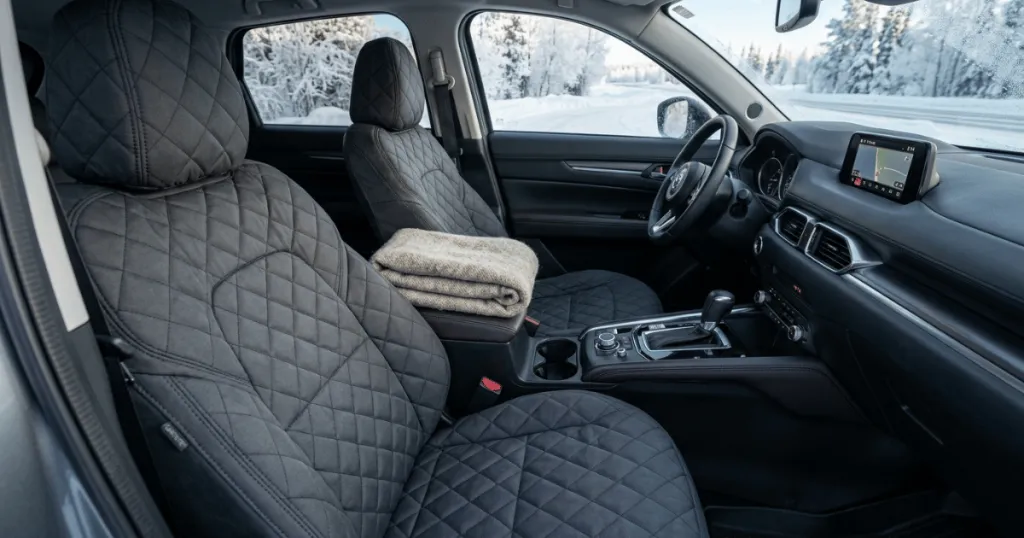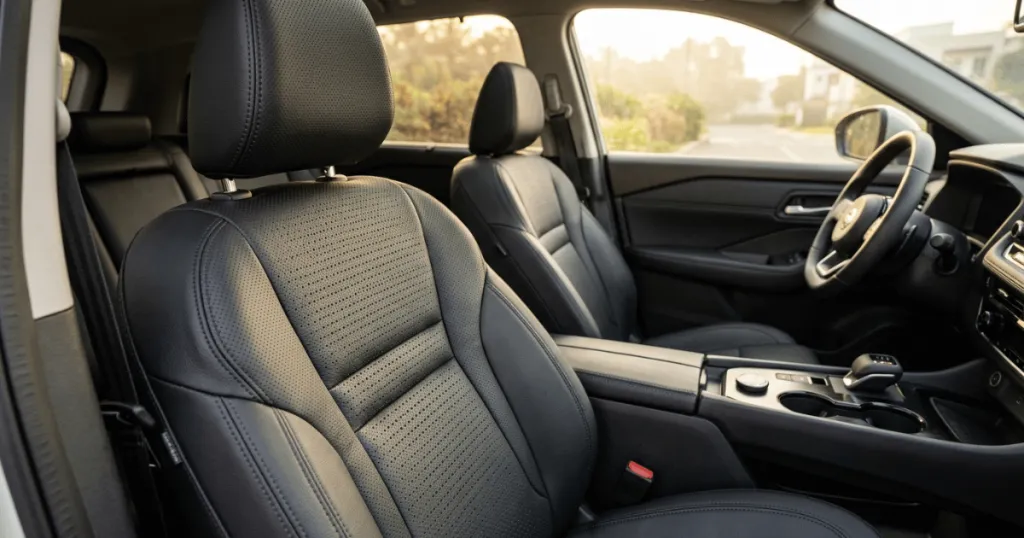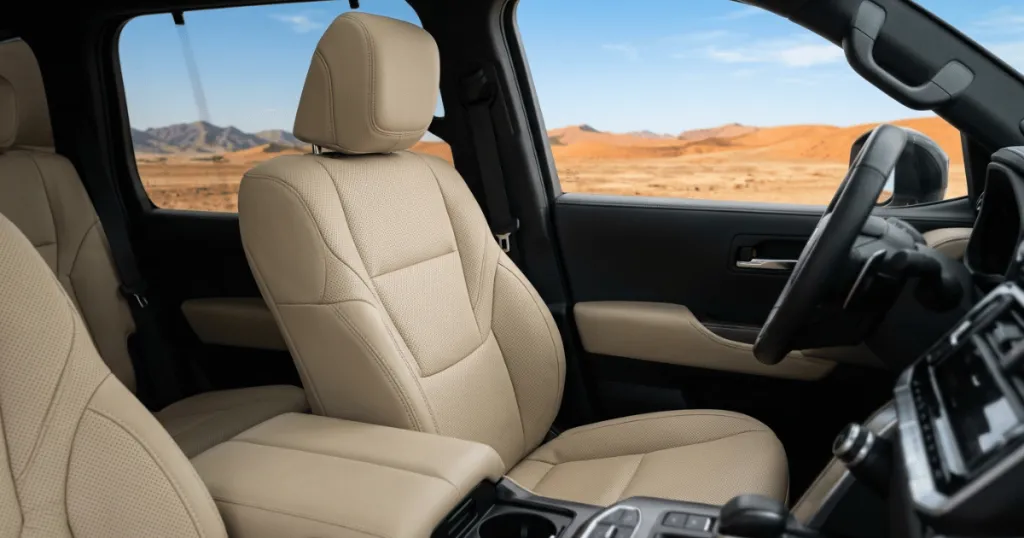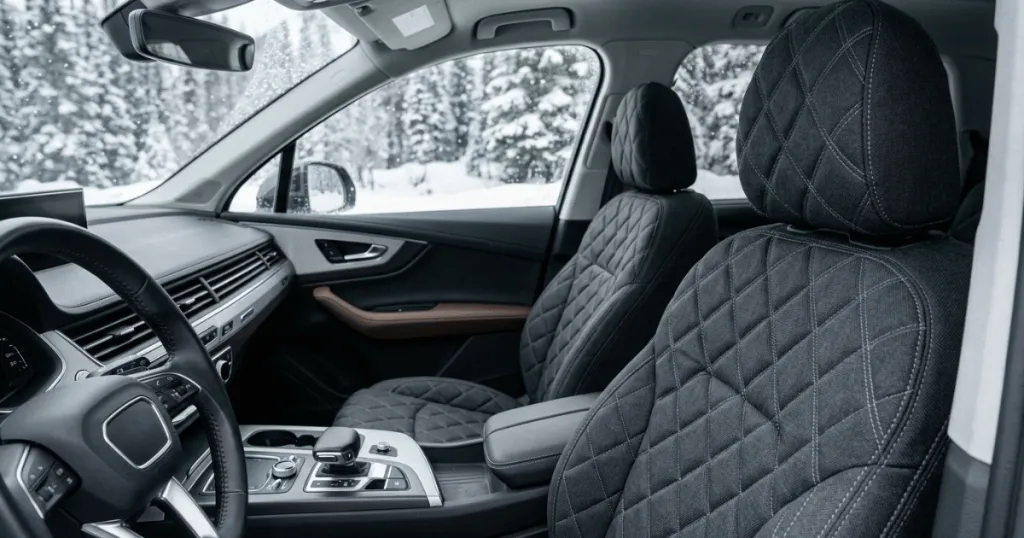
Driving in high temperatures often turns a vehicle interior into a heat trap, making the commute uncomfortable and even difficult. When you rely on your vehicle daily, the surface temperature of your seats can become a major issue, especially if you have factory leather or vinyl upholstery that retains heat. A well-selected hot weather car seat cover acts as a thermal barrier, helping to regulate surface temperatures and improve airflow between your body and the seat.
Selecting the right material is the most significant factor in managing interior heat. While many people assume that any cover will provide relief, the reality is that some materials exacerbate the problem by trapping moisture or failing to dissipate heat. This guide explores the specific materials, design features, and maintenance habits that help you navigate high-temperature driving conditions effectively.
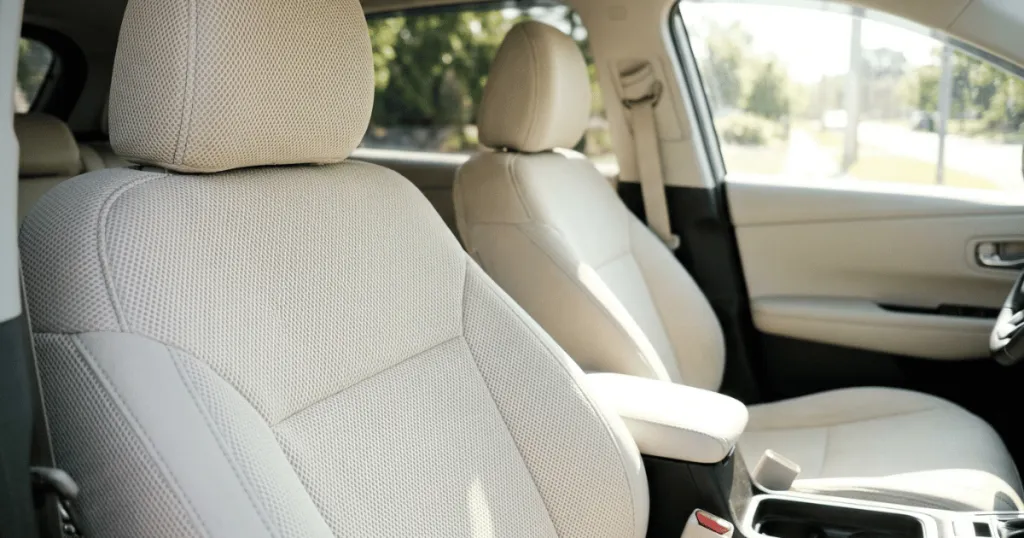
Selecting Materials for Thermal Management
Not all fabrics behave the same way under direct sunlight. When you are looking for a hot weather car seat cover, your primary goal is to prioritize breathability and moisture-wicking capabilities over heavy-duty thickness.
Breathable Mesh and Spacer Fabrics
Mesh fabrics are often the top choice for high-temperature environments. These materials feature an open-weave construction that allows air to circulate freely through the seat cover, preventing the buildup of trapped heat against your back and legs. Spacer fabrics, which use a 3D-knit structure, provide a small gap between the seat surface and the cover, further enhancing ventilation. This structural gap is crucial for thermal regulation, as it prevents direct contact with the hot seat base.
Natural Cotton and Canvas Blends
Cotton is inherently breathable and does not hold heat the way synthetic polymers do. When choosing a canvas-style cover for summer, look for natural fiber blends that offer a balance between durability and airflow. These materials stay relatively cool to the touch even after being parked in the sun for extended periods, making them a reliable choice for daily commuters. Unlike heavy synthetics, cotton allows for better moisture evaporation, which is essential for maintaining interior comfort during humid summer months.
Why Synthetic Leathers Often Struggle
While faux leather or polyurethane (PU) seat covers are popular for their appearance and ease of cleaning, they are generally poor performers in extreme heat. These materials are non-porous, meaning they trap heat and sweat against the occupant. If you live in a region with high humidity and intense sun, these synthetic materials can become sticky and uncomfortable, often negating the purpose of installing a cover for climate control. If you prefer the look of leather, consider covers that utilize perforated center panels to mitigate the lack of natural breathability.
Design Features That Enhance Airflow
Beyond the material itself, the physical design of the cover dictates how effectively it manages heat. A cover that fits too tightly against the seat foam can compress the material, reducing the natural ventilation pathways of the seat itself.
Perforated Finishes
Many modern seat covers incorporate micro-perforations in their design. These tiny holes are specifically engineered to allow heat to escape and air to pass through the cover. In a hot weather car seat cover, these perforations are most effective when they are placed in the center panels where the body makes the most contact with the seat. This design choice leverages the body’s natural cooling mechanisms by allowing sweat to evaporate rather than pooling on the seat surface.
Loose-Fit vs. Form-Fitting Designs
Form-fitting covers are designed for a sleek, OEM-style look, but they often lack the space needed for air movement. Conversely, a slightly looser, more relaxed fit can create a small air pocket between the cover and the seat base. This gap acts as an insulation layer, keeping the surface temperature of the cover lower than the seat cushion underneath. When evaluating fit, consider how the cover interacts with the seat bolsters; excessive tension in these areas can restrict airflow, leading to localized heat spots.
Real-World Scenarios for High-Heat Driving
Different driving environments require different approaches to seat protection. A vehicle used for short errands in a dry climate faces different challenges than a vehicle used for long-distance travel in a humid coastal region.
The Daily Commuter in Dry Climates
In arid environments, the primary concern is the intense UV radiation that heats up the cabin. Here, light-colored cotton or light-weight polyester mesh covers are ideal because they reflect more sunlight rather than absorbing it. A light-colored hot weather car seat cover will remain significantly cooler to the touch than a dark-colored alternative, regardless of the material used. Reflectivity is a key component of solar energy absorption management, and choosing lighter hues can make a noticeable difference in the initial temperature of your seat upon entry.
Long-Distance Travel and Humidity
If you spend hours on the road in humid conditions, moisture-wicking is just as important as temperature regulation. Synthetic moisture-wicking fabrics, often used in athletic apparel, are excellent for these scenarios. They pull perspiration away from the skin, preventing that uncomfortable damp feeling that often accompanies hot weather driving. When selecting these materials, ensure they are specifically designed for automotive use to maintain the necessary durability for daily wear and tear.
Managing Interior Heat Effectively
Securing the right cover is merely the initial step; your ongoing habits and upkeep determine how well the material performs throughout the summer season.
One common mistake is assuming that a cover is a permanent installation. In regions with extreme seasonal shifts, many owners find it beneficial to switch to a more breathable, heat-resistant cover during the summer months and return to a more durable or insulated cover in the winter. This practice not only keeps you comfortable but also prevents the summer heat from degrading the material of your primary, year-round seat covers.
Additionally, remember that the seat cover is not a standalone solution for cabin heat. Using a windshield sunshade is a vital companion to your seat covers. By preventing the sun from striking the interior surfaces directly, a sunshade keeps the ambient temperature of the cabin lower, which allows your breathable seat covers to work much more effectively. When the cabin temperature is lower, the seat covers do not have to work as hard to dissipate heat, extending their lifespan and keeping the upholstery underneath protected from UV-related fading.
Clearing Up Common Misconceptions
A frequent error is the belief that thicker, heavy-duty covers provide better protection against heat. In reality, the opposite is often true. Heavy-duty, rugged materials are designed for abrasion resistance and spill protection, which usually requires a dense, non-porous weave. These materials are excellent for off-roading or work vehicles but are generally the wrong choice for summer comfort, as they store heat and prevent airflow.
Another misconception involves the idea that waterproof covers are ideal for summer. While waterproof materials are great for beach trips or athletic activities, they are almost universally non-breathable. If you choose a waterproof cover for its utility, be aware that you are trading off thermal comfort for liquid protection. If you find yourself in a situation where you need both, look for covers that feature a removable, breathable top layer that can be used during daily driving and replaced with a waterproof layer when needed.
Finally, consider that color choice is not just an aesthetic decision. Dark colors absorb more solar energy, which can make the seat surface feel significantly hotter upon entry. Choosing a neutral or lighter shade for your hot weather car seat cover is a simple, practical way to reduce the initial heat spike you feel when sitting down after the car has been parked in direct sunlight. Always prioritize materials that are UV-stabilized to ensure that the color does not fade prematurely under the harsh summer sun.
Optimizing Installation for Maximum Airflow
The way you install your seat covers can significantly influence their thermal performance. When installing, ensure that the straps and fasteners are not pulling the material so tight that the weave becomes distorted. A distorted weave can close up the pores of breathable fabrics, effectively turning a mesh cover into a solid barrier. Take the time to smooth out the material across the seat base and backrest to ensure that the air channels remain open.
Furthermore, if your vehicle has heated or cooled seat functions, check the manufacturer’s guidance on seat cover compatibility. While this guide focuses on heat management, using a thick cover on a cooled seat can block the airflow from the seat’s built-in ventilation system. For vehicles with factory-installed ventilation, choose thin, highly porous covers that allow the seat’s internal fans to push air through to the occupant. This synergy between the seat’s cooling features and the cover’s material is the ultimate way to achieve maximum interior comfort.
Maintenance Tips for Summer Longevity
Summer heat can be harsh on materials, accelerating the breakdown of fibers and dyes. To keep your covers in top condition, vacuum them regularly to remove dust and debris that can clog the pores of breathable fabrics. If you use a mesh or cotton cover, consider a gentle cleaning cycle with a mild detergent if the manufacturer allows it. Avoid harsh chemicals that can strip the UV-protective coatings from the fabric. By keeping the material clean, you ensure that the ventilation pathways remain clear, allowing the cover to perform its primary function of keeping you cool throughout the hottest months of the year.
FAQ
Does color affect how hot my seat covers get?
Yes, color plays a significant role. Lighter colors reflect more sunlight, while darker colors absorb it, causing the material to heat up more quickly. Choosing a lighter-colored hot weather car seat cover can help keep the surface temperature lower when the vehicle is parked in the sun.
Can I use waterproof seat covers in the summer?
You can, but waterproof materials are typically non-porous and do not breathe well. This can lead to heat buildup and sweat. If you need waterproof protection, look for covers that offer a balance of moisture resistance and breathability, or consider using a breathable cover for daily driving and switching to a waterproof option when necessary.
What is the best material for keeping seats cool?
Breathable mesh, spacer fabrics, and natural cotton blends are generally the best materials for a hot weather car seat cover. These materials allow air to circulate between your body and the seat, preventing heat from being trapped against your skin.